
How Do I Buy Physical Gold for Home Delivery?
Buying physical gold for home delivery breaks down into four steps. Choose your product. Confirm pricing and premiums over spot. Fund the purchase. Receive secure delivery. The entire process — from funding to delivery — wraps up in under two weeks.
Start with a reputable dealer who operates within the U.S. Mint’s network of Authorized Purchasers. That credential is institutional vetting. Premiums over spot price run from under 2% for large bars to over 10% for smaller coins. Those spreads reflect fabrication, distribution, and dealer margins. Once you fund the order, the dealer arranges fully insured shipping using discreet packaging. Your gold shows up at your door. No intermediary. No counterparty. No account login required.
That’s the point of physical ownership — it’s a tangible anchor.
The Federal Trade Commission recommends checking sellers with a state attorney general or the Better Business Bureau before committing funds. Dealers who prioritize education over urgency provide transparent cost breakdowns, explain the difference between bullion products, and walk you through secure storage options before you take possession. Physical gold delivered to your home becomes your responsibility the moment it arrives. The process is straightforward when the dealer’s goal is long-term guidance rather than a one-time sale.
- The Step-by-Step Process of Buying Physical Gold for Home Delivery
- What to Look for in a Precious Metals Dealer
- Common Mistakes to Avoid When Buying Gold for Home Delivery
- Storage and Security Considerations After Delivery
- The Tax and Legal Realities of Physical Gold Ownership
- Frequently Asked Questions
- Is it legal to store large amounts of physical gold at home?
- How is my gold shipment insured and protected during delivery?
- What are the most common mistakes to avoid when buying gold for home delivery?
- How can I verify that the gold delivered to me is authentic?
- What are the storage and security considerations for holding gold at home versus a depository?
- Are there tax implications for having gold delivered to my home?
- Where This Leaves You
The Step-by-Step Process of Buying Physical Gold for Home Delivery

The transaction follows a predictable sequence — one that feels simple when the dealer’s job is to guide rather than pressure.
Most confusion comes from firms that benefit from making the process feel opaque. Here’s what the process looks like when it’s done right.
Step 1: Choose Your Product
The first decision is product type — and it’s where most dealers either educate or obscure.
Bullion coins and bars are priced closest to the spot market. Numismatic or collectible coins carry premiums tied to rarity and condition. Premiums over spot price range from under 2% for large bars to over 10% for smaller or numismatic coins — reflecting fabrication, distribution, and dealer margins. The question isn’t which product type is “better.” It’s which product aligns with your goal.
If you’re holding for privacy and liquidity, U.S.-minted products like the Gold American Eagle are the standard. If you’re looking to hold in an IRA, the product must meet a minimum fineness of .995 as stipulated by the IRS requirements for precious metals. The distinction matters. The wrong product for the wrong context costs you.
A dealer who walks you through these distinctions before asking for payment is operating as a concierge. A dealer who pushes limited-time scarcity on a specific coin is operating as a salesperson.
Step 2: Fund Your Purchase
Once you’ve selected your product, funding follows — and this is where clarity separates reputable firms from those who complicate the process to justify fees.
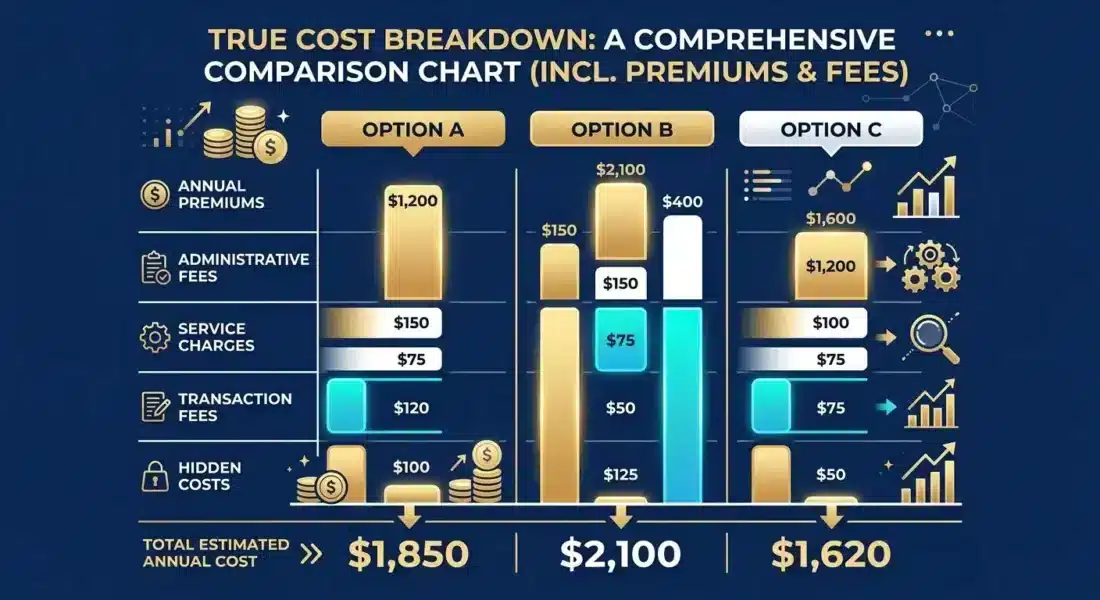
Most dealers accept bank wire, check, or ACH transfer. Some accept credit cards but pass along processing fees that inflate the total cost. The dealer should provide a transparent breakdown of the total — spot price, premium, and any applicable fees — before you commit funds. No surprises. No “additional costs discovered during processing.”
Brighton Gold’s purchase and delivery process is typically completed in under two weeks — from funding to delivery. That timeline reflects what’s achievable when logistics are managed proactively rather than reactively.
Step 3: Delivery and Insurance
Delivery is the moment ownership becomes tangible — and it’s the step where insurance and discretion matter most.
Reputable dealers arrange fully insured shipping using carriers that specialize in high-value deliveries. The packaging is discreet — no branding, no external labels that advertise what’s inside. Signature confirmation is standard. The moment you sign for the package, the responsibility shifts from the dealer to you.
That’s the anchor. You’re holding something real — something that exists outside the digital noise, the algorithmic promises, and the paper contracts. The temporary confusion of navigating premiums and funding methods fades the moment you can hold it. What remains is the permanent clarity of physical possession.
| Product Type | Typical Premium Over Spot | Best For |
|---|---|---|
| Large gold bars (1 oz or larger) | Under 2% | Maximum metal for minimum premium — ideal for those prioritizing weight over divisibility |
| U.S.-minted bullion coins (Gold American Eagle, Gold Buffalo) | Moderate premium | Liquidity, recognizability, and IRA eligibility — meets minimum fineness of .995 |
| Small or numismatic coins | Over 10% | Collectibility and rarity — not recommended for those seeking bullion value alone |
What to Look for in a Precious Metals Dealer

The process is simple. The dealer you choose determines whether the experience reinforces confidence or breeds regret.
Most dealers weaponize complexity.
They bury pricing in jargon. They introduce steps that justify fees. They treat the sale as the end of the relationship.
The goal is closing the transaction — not ensuring you feel informed, supported, or prepared for ownership. That’s the friction most buyers never see until they’re already in it.
Transparency Over Complexity
Transparency is the dividing line between a dealer you trust and one you tolerate.
A reputable dealer tells you what you’re paying, why you’re paying it, and what happens next — before you commit.
Pricing should include the cost of the metal, the premium over spot, and any fees. The Federal Trade Commission (FTC) guidelines advise checking with a state attorney general or the Better Business Bureau before purchasing. That step exists because too many sellers obscure their costs until you’re locked in.
Brighton Gold’s approach is the opposite.
Pricing is clear. The timeline is clear. The process from funding to delivery is typically completed in under two weeks, and every step is explained before it happens.
No pressure. No urgency language. No manufactured complexity to justify a margin.
If a dealer won’t explain their pricing structure in plain language, or if they deflect when asked about fees — that’s not sophistication. That’s a red flag.
Post-Purchase Support
Ownership doesn’t end when the box arrives.
Most dealers treat delivery as the finish line.
Reputable dealers use discreet packaging and fully insured shipping to protect assets during transit. After that, you’re on your own. No follow-up. No guidance on storage, security, or what comes next.
The relationship was transactional. Now it’s over.
Brighton Gold’s concierge-level precious metals experience is built around the opposite principle — support at every stage of ownership, not just the sale.
Questions about storage options, security considerations, or what holding physical metals looks like over time — those don’t disappear after delivery. A dealer who provides ongoing support recognizes that ownership is the real relationship. The transaction was just the beginning.
| Dealer Red Flag | What It Signals | What to Ask Instead |
|---|---|---|
| Pressure to buy immediately due to ‘limited inventory’ or ‘one-time pricing’ | The dealer’s revenue model depends on closing transactions before due diligence happens | Can I have 48 hours to verify your credentials and review the breakdown of premiums and fees before committing funds? |
| Complexity around total cost — premiums described vaguely as ‘market conditions’ or fees disclosed only after funding | Opacity is a tactic that protects margin at the expense of clarity | Can you provide a transparent breakdown of spot price, premium, and all fees in writing before I fund the purchase? |
| Resistance to refunds or cancellation policies buried in fine print | The dealer is protecting revenue rather than building long-term relationships | What is your refund policy, and can I cancel within a reasonable window if I need to reconsider? |
| No clear answers about post-sale support — storage guidance, resale logistics, or authenticity verification | The relationship ends the moment the transaction clears | What support do you provide after delivery if I have questions about storage, resale, or verification? |
| Guarantees about future value, claims that gold is ‘protected from seizure,’ or promises tied to market timing | The dealer is selling outcomes they cannot control and setting expectations they cannot meet | Do you provide any guarantees on future value or government action — and if not, why should I trust your guidance? |
Common Mistakes to Avoid When Buying Gold for Home Delivery
Even with the right dealer, there are predictable traps that trip up first-time buyers.
Most of them are avoidable with the right information upfront.
The mistakes aren’t complicated. They’re the same ones that show up in thousands of transactions — buyers chase price, skip background checks, and commit money before asking the hard questions.
The Federal Trade Commission (FTC) guidelines say to verify sellers with a state attorney general or the Better Business Bureau before you send a dime. Most buyers don’t. They decide based on website polish or a smooth sales call.
That shortcut shows up later — when delivery drags on, the product doesn’t match the description, or the dealer goes radio silent the second you need help.
Chasing the Lowest Price Without Understanding the Full Cost
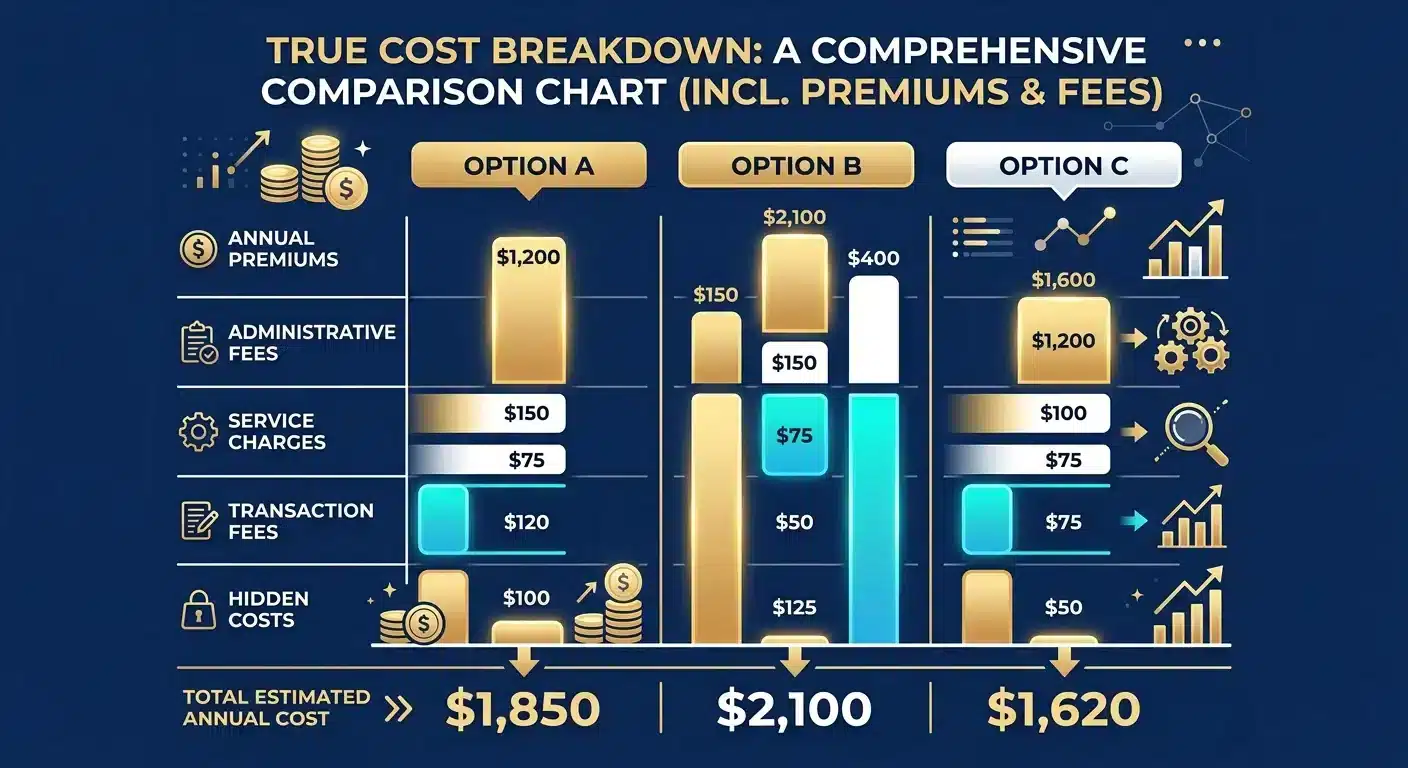
The lowest advertised price is almost never the full cost — and dealers who lead with price know that.
Premiums over the spot price of gold run from under 2% for large bars to over 10% for smaller or numismatic coins. That spread exists for real reasons — fabrication costs, logistics, dealer margin.
What separates honest pricing from a trap is whether those costs are disclosed before you commit or buried in processing fees, shipping upgrades, and market volatility adjustments that show up after your money moves.
Dealers advertising rock-bottom premiums recover margin through hidden fees. The transaction that looked competitive turns expensive once you add mandatory insurance, expedited processing, or credit card fees nobody mentioned during the quote.
The question isn’t whether premiums exist. It’s whether the dealer tells you the full cost before asking for payment.
Chasing the lowest price without knowing the full cost leaves you holding products you didn’t want or paying more than you planned.
The anchor isn’t the premium. It’s the clarity of the transaction. You’re buying something tangible — something that exists outside the noise. That permanence holds only if the process that got you there was transparent from the start.
Skipping Due Diligence on the Dealer
Most buyers spend more time researching products than researching dealers.
That’s backward.
The product matters less than the firm selling it. A Gold American Eagle purchased from a dealer who sticks around is a better decision than the same coin bought from a firm that vanishes the moment your payment clears.
The Federal Trade Commission says to verify sellers with a state attorney general or the Better Business Bureau before you commit — not as a formality, but as a filter. Dealers with verifiable credentials, transparent refund policies, and accessible service survive scrutiny. Dealers operating in the gray rely on urgency and limited-time offers to close you before you dig.
Skipping due diligence doesn’t save time. It transfers risk.
The hassle of checking credentials and reading reviews fades the moment the gold shows up and you know the dealer will still answer when you call. What stays is the clarity of holding something real — purchased through a process that earned your confidence instead of exploiting your urgency.
| Mistake | Why It Happens | How to Avoid It |
|---|---|---|
| Choosing a dealer based solely on the lowest advertised premium | Buyers assume price is the only variable that matters — and dealers who lead with aggressive pricing know how to recover margin through hidden fees or inferior service. | Request a full cost breakdown in writing before committing funds. Compare total transaction cost — premium, shipping, insurance, and any processing fees — across multiple dealers. The cheapest quote upfront is rarely the cheapest transaction at the end. |
| Skipping dealer verification and relying on website appearance or a single sales call | Urgency and polished marketing create the illusion of legitimacy. Buyers commit funds before researching credentials, refund policies, or complaint histories. | Verify the dealer with a state attorney general or the Better Business Bureau before purchasing. Check for verifiable credentials, transparent cancellation terms, and accessible customer service. A dealer with nothing to hide provides all three without hesitation. |
| Funding the purchase with a credit card without understanding the fee structure | Dealers often charge premium processing fees for credit card transactions — sometimes adding several percentage points to the total cost — but don’t disclose this until after the buyer has committed to the transaction. | Ask explicitly about payment method fees before selecting how to fund the purchase. Wire transfers and checks typically avoid these surcharges. If using a credit card, confirm the total cost including processing fees before proceeding. |
| Treating delivery as the finish line and failing to plan for secure storage | Buyers focus entirely on acquiring the gold and assume storage will be straightforward. The moment the package arrives, the question of where to keep it safely becomes urgent — and hasty decisions about home storage or third-party vaults introduce new risks. | Plan storage before the gold ships. Decide whether home storage with a quality safe, bank safe deposit box, or third-party depository makes sense for your situation. A dealer who provides guidance on secure storage options as part of the process — not as an upsell — is supporting long-term ownership. |
| Ignoring authenticity verification and assuming the delivered product matches what was ordered | Most buyers trust that the gold arriving at their door is legitimate and matches the specifications from the order. Dealers operating in the gray count on that trust — and on buyers not knowing how to verify purity or weight independently. | Verify the product upon delivery. U.S.-minted coins carry recognizable markers and specifications published by the U.S. Mint. For bars or rounds, request a certificate of authenticity and confirm weight and fineness match the order documentation. If you’re uncertain, have the product independently assayed before finalizing acceptance. |
Storage and Security Considerations After Delivery

The gold arrives — and that’s when most first-time buyers realize they didn’t think through what happens next.
Delivery isn’t the finish line. It’s the handoff.
The second you sign for the package, securing those assets becomes your job — and the decisions you make in the first 48 hours determine whether ownership feels like control or turns into a low-grade source of anxiety.
Most buyers default to whatever’s immediate. Bedroom closet. Desk drawer. The back of a safe they bought years ago for documents. That works until it doesn’t. The question isn’t whether home storage works — it’s whether you’ve thought through what it actually requires.
Home Storage: What It Requires
Home storage is the most direct form of ownership.
You control access. You eliminate third-party risk. You can verify your holdings anytime you want.
That immediacy is exactly what draws people to physical gold ownership as the foundation of financial privacy. No custodian. No depository agreement. No intermediary between you and what you own.
But immediacy comes with infrastructure most buyers underestimate.
A fireproof safe bolted to a structural element of your home is the baseline — not optional, not deferred. The safe needs a rating that matches the value you’re storing, positioned where it’s invisible from exterior windows, secured so it can’t be removed during a break-in.
homeowners insurance covers personal property, but precious metals above a certain threshold require a rider or separate policy. That’s not a formality — it’s the difference between being made whole after a loss and absorbing the full cost yourself.
Then there’s the operational reality: who knows the gold is there?
The fewer people who are aware of your holdings, the lower your risk profile. That means limiting casual mentions, avoiding social media references, and thinking through estate planning early so your heirs know what exists and where to find it if something happens to you.
The anchor of home storage is control — but control only holds if the infrastructure supporting it is sound.
Home storage works for customers who want immediate access, who’ve invested in secure infrastructure, and who understand the operational discipline it takes to maintain it. For everyone else, the liability outweighs the convenience — and that’s when depository storage starts to make sense.
Depository Storage: When It Makes Sense
Depository storage is the institutional alternative.
Your gold sits in a secure, insured vault — segregated under your name, auditable on demand, and protected by layers of physical and procedural security that no home safe can replicate.
You don’t have immediate physical access, but you also don’t carry the liability of securing high-value assets in a residential setting. For customers holding significant quantities, for those who travel often, or for anyone who doesn’t want the operational burden of home security, depositories eliminate the variables that keep people awake at night.
The trade-off is access speed.
If you need to retrieve your holdings, the process involves coordination with the depository, verification steps, and logistics. That delay is intentional — it’s a security feature, not a bug.
What you’re trading is immediacy for institutional-grade protection. The gold remains yours, titled in your name, but the infrastructure securing it was designed for this exact purpose rather than retrofitted from residential hardware.
Depository storage makes sense when the value of your holdings exceeds what your homeowners insurance will cover without a significant rider, when you’re holding metals inside a retirement account structure, or when the peace of mind that comes from offloading security risk outweighs the desire for immediate access.
Brighton Gold works with customers to evaluate both options — not to sell one over the other, but to make sure the decision aligns with how you’re planning to hold and use the assets over time.
The anchor isn’t where the gold sits — it’s whether the storage solution matches the permanence and clarity you were seeking when you decided to own something real in the first place.
| Storage Option | Control Level | Security Responsibility | Access Speed |
|---|---|---|---|
| Home Storage | Direct — owner retains full physical access and decision authority | Owner bears all responsibility — safe selection, installation, insurance riders, operational security discipline | Immediate — verify holdings or retrieve assets at any time without coordination or procedural delay |
| Depository Storage (Segregated) | Titled ownership with institutional custody — assets remain in owner’s name, auditable on demand | Depository assumes facility security, procedural controls, and physical protection — owner selects provider and monitors compliance | Coordinated — retrieval requires verification steps, advance notice, and logistics coordination with the depository |
| Depository Storage (Non-Segregated / Commingled) | Proportional claim on pooled inventory — owner holds units of gold, not specific bars or coins | Depository manages vault security and inventory controls — owner relies on third-party integrity and audit transparency | Coordinated with allocation step — retrieval may require the depository to allocate specific units before delivery can proceed |
| Safe Deposit Box (Bank) | Owner controls contents and access during bank hours — no third-party visibility into holdings | Bank provides facility access control and vault perimeter security — owner secures contents inside the box and arranges separate insurance | Limited to bank operating hours — no after-hours or emergency access without court order or institutional approval |
| Private Vault Services (Non-Bank) | Owner retains full control — private vaults typically offer 24/7 access and no reporting obligations | Facility provides physical vault infrastructure and access logs — owner secures insurance and maintains operational discretion | Flexible — extended access hours and fewer procedural hurdles than bank-operated facilities |
The Tax and Legal Realities of Physical Gold Ownership
Most articles skip this part — but owning physical gold comes with reportable events, and pretending otherwise is a setup for confusion later.
The tax side isn’t hard. What’s hard is finding anyone willing to talk about it upfront. Dealers who benefit from customers not asking questions bury this section at the bottom of the page. Articles that treat compliance like an afterthought do the same. The reality is simpler than the silence around it suggests.
Here’s what you’re actually dealing with — no fine print, no deferred clarity.
Reporting Requirements
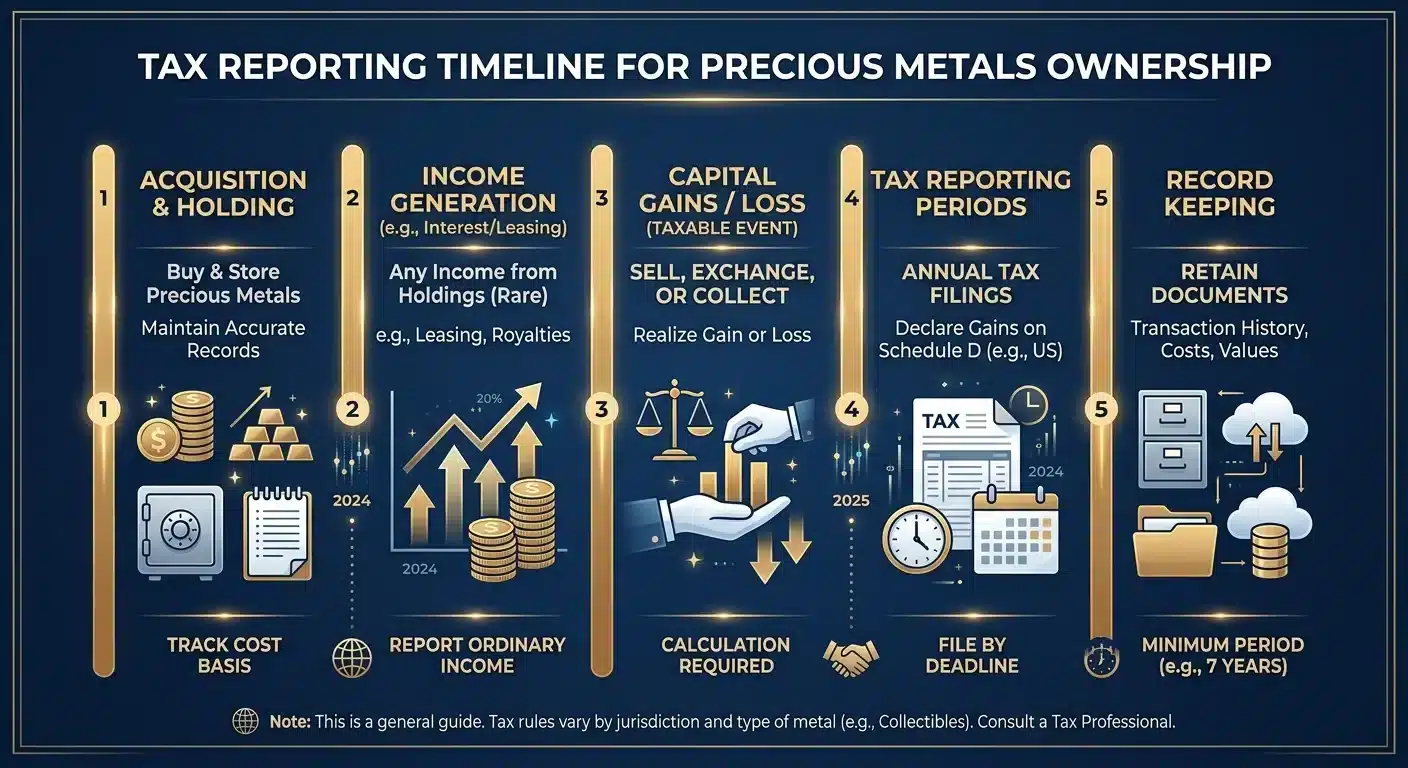
When you buy physical gold for home delivery, the transaction itself doesn’t trigger a reporting obligation to the IRS. You buy it. You take possession. Done.
Reporting becomes relevant when you sell — and even then, only under specific conditions. Dealers are required to file Form 1099-B for certain large or serial transactions. The threshold and type vary by product. But the principle is the same: the IRS wants visibility on liquidation events that cross specific reporting lines.
If you’re holding gold as part of a Precious Metals IRA, the rules tighten. The IRS mandates that gold meet a minimum fineness of .995 to qualify for retirement account inclusion — and your custodian handles the reporting, not you. That’s one of the reasons the gold purchasing and delivery process at Brighton Gold includes explicit custodian coordination for IRA holders.
Capital Gains Considerations
Physical gold is classified as a collectible by the IRS. When you sell at a gain, the profit is taxed as capital gains — but the rate depends on how long you held it and your overall income picture.
Short-term gains get taxed at ordinary income rates. Long-term gains can be taxed at a rate higher than standard investment capital gains — a detail most articles gloss over because it sounds less attractive than the narrative they’re selling.
Does that mean you shouldn’t own physical gold? No. It means you should own it with your eyes open — and consult your CPA before making liquidation decisions. The tax treatment is a known cost, not a hidden penalty. Brighton Gold doesn’t pretend otherwise.
Frequently Asked Questions
You’ve seen the process. A handful of questions still come up in nearly every conversation.
Most center on what happens after the purchase.
Security. Verification. Logistics.
Here’s what we hear most.
Is it legal to store large amounts of physical gold at home?
Yes. There’s no federal law restricting how much physical gold you can store at your residence.
You own it. You decide where it lives.
The question isn’t legality. It’s security. Home storage means you control the asset. It also means you accept the responsibility — safes, insurance, access control.
If those trade-offs work for your situation, home storage is a legitimate path.
How is my gold shipment insured and protected during delivery?
Reputable dealers use discreet packaging and fully insured shipping.
The packaging doesn’t advertise what’s inside. The insurance covers the full declared value.
If something goes wrong in transit — theft, loss, damage — the insurer covers it. You’re not left holding the liability.
That’s the baseline. If a dealer won’t commit to full insurance or tries to shift delivery risk onto you, walk away.
What are the most common mistakes to avoid when buying gold for home delivery?
Don’t chase the lowest price. The cheapest dealer is almost never the safest.
Don’t skip verification. If the dealer won’t provide documentation, they’re betting you won’t ask for it later.
Don’t ignore insurance. If the shipment arrives damaged or doesn’t arrive at all, you want the dealer’s insurance covering it—not your homeowner’s policy fighting over whether bullion was disclosed.
And don’t store your gold in obvious places. The bedroom closet isn’t secure. The kitchen cabinet isn’t secure. If you’re holding it at home, get a proper safe—bolted down, fireproof, and disclosed to your insurer if required.
How can I verify that the gold delivered to me is authentic?
Verification starts with the dealer’s reputation.
If they’re selling counterfeit product, you’ll find out long before delivery — their reviews, their ratings, and their track record tell the story.
Beyond that, reputable dealers provide certificates of authenticity and documentation showing purity and weight. U.S.-minted coins carry government guarantees of content and weight. Bars from accredited refiners include serial numbers and assay certificates.
If you want independent verification after delivery, third-party assayers can test purity and weight. But that’s rarely needed if you bought from a vetted source.
What are the storage and security considerations for holding gold at home versus a depository?
Home storage gives you immediate access and complete control.
No custodian. No intermediary. No waiting period.
The cost is responsibility — you handle security, insurance, and safekeeping. Depository storage shifts those responsibilities to a third party. The gold sits in a secure, insured vault. You don’t touch it, but you also don’t worry about break-ins or fire.
Which one makes sense depends on how much you’re holding, where you live, and how quickly you need access. Neither option is inherently better.
Are there tax implications for having gold delivered to my home?
Physical gold held outside a retirement account doesn’t trigger tax reporting at the time of purchase or delivery.
Tax implications surface when you sell.
The IRS classifies physical gold as a collectible—capital gains on sales held for more than one year are taxed at collectible rates, which can be higher than standard long-term capital gains rates. If you’re holding gold inside an IRA, different rules apply.
Consult your CPA or tax professional for guidance specific to your situation. This isn’t an area to tackle on assumptions.
Where This Leaves You
You’ve covered the mechanics — dealer selection, funding pathways, authentication standards, delivery logistics, storage infrastructure, and tax obligations.
The question isn’t whether the process is possible.
It is.
The question is whether the clarity and control you’re after justify the steps required to own something real.
When you buy gold for home delivery through Brighton Gold’s concierge-level precious metals experience, you’re choosing a deliberate step toward financial control — one made simple and transparent through a relationship, not a transaction.
The complexity exists. The tax obligations exist. The storage risk exists.
But complexity disappears when the dealer treats you like a person, not a sale. Tax obligations become manageable when you’ve planned for them upfront with a CPA. Storage risk shrinks when you’ve invested in the infrastructure required to hold something of value at home.
What doesn’t exist — what you’re moving away from — is the dependence on institutions that can freeze, dilute, or digitize what you thought you owned.
Gold is a physical anchor.
It exists outside the digital noise, the algorithmic promises, and the paper contracts. Ownership begins the moment you can hold it — not when a brokerage confirms a transaction, not when a balance updates in an app, but when the asset is in your possession and titled in your name.
The confusion of the buying process is temporary.
The clarity of physical possession is permanent.
That trade-off — working through a process that requires research, verification, and infrastructure in exchange for something you control outright — is what separates buyers who want exposure from owners who want autonomy.
If the goal is long-term financial privacy, if the priority is holding something that can’t be frozen or printed away, if the driver is creating a legacy asset that exists independent of banking systems — then the process outlined here isn’t an obstacle.
It’s the path.
The dealers who complicate it, who weaponize fear and obscure the true cost of ownership, aren’t serving that goal. Brighton Gold does — because the relationship doesn’t end when the delivery signature clears.
It begins there.
You’ve covered the mechanics — dealer vetting, funding, verification, storage, tax treatment. The question isn’t whether the process makes sense. It’s whether you want to walk through it with clarity or figure it out alone. Brighton Gold offers a complimentary consultation to walk you through your options — including how the No Fee IRA works and whether you qualify. No pressure. No obligation. Just the clearest picture we can give you of what acquiring and holding physical gold actually looks like for your situation. The window to act thoughtfully is open. Not because of urgency — because the time spent waiting is time you’re not holding something real.