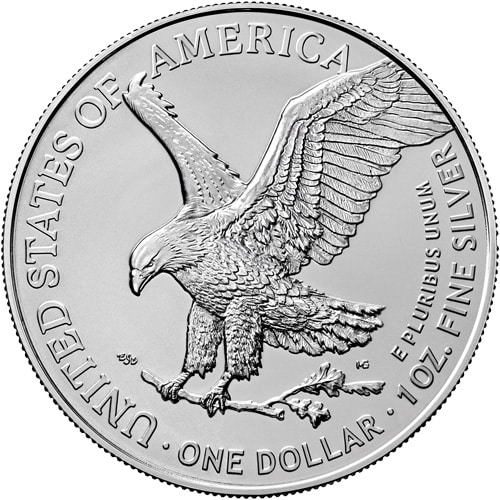

Economic data, Treasury yields, energy markets, and Federal Reserve expectations all converged this week to shape sentiment across precious metals markets. Gold and silver experienced heightened volatility as investors balanced inflation concerns, resilient economic activity, and ongoing geopolitical uncertainty against expectations for future monetary policy adjustments. While short-term pressure weighed on metals prices, the broader conversation continues to center on whether slowing growth, moderating inflation, or evolving Fed policy could eventually provide stronger support for the sector in the months ahead.
🟥 Monday (5.11.26): Spot gold extended its recent pullback Monday, declining roughly $20 from $4,735.72 to close near $4,715.13, while silver recovered modestly, rising about $0.46 to finish around $86.55 after ending the previous week near $86.09. Markets continued evaluating the inflationary effects tied to ongoing Iran and Strait of Hormuz tensions, which kept oil prices elevated and maintained upward pressure on Treasury yields. A firmer U.S. dollar and expectations that the Federal Reserve may maintain restrictive policy settings weighed on gold prices, while silver remained relatively supported by broader commodity strength and continued industrial-demand optimism.
🟩 Tuesday (5.12.26): Gold weakened further Tuesday, falling approximately $29 to close near $4,686.48, while silver added modest gains to settle around $87.45, up roughly $0.90 from Monday’s close. Markets reacted to hotter-than-expected inflation readings, which strengthened the U.S. dollar and pushed Treasury yields higher while reducing expectations for near-term Fed easing. Gold remained pressured by rising real yields, while silver continued outperforming as investors maintained exposure to industrial and commodity-linked assets amid elevated energy prices and ongoing geopolitical uncertainty.
🟦 Wednesday (5.13.26): Spot gold declined again Wednesday, easing roughly $29 to close near $4,657.16 after struggling to regain upward momentum, while silver reversed sharply lower, dropping nearly $4 to close around $83.54 after trading above $87 earlier in the session. Precious metals faced broader pressure as stronger producer-price inflation and resilient economic data pushed Treasury yields toward fresh highs and supported the U.S. dollar for a third consecutive session. Markets increasingly adjusted toward a “higher-for-longer” policy outlook as elevated oil prices and geopolitical tensions continued influencing inflation expectations, contributing to widespread volatility across the metals complex.
🟨 Thursday (5.14.26): Gold traded through another volatile session Thursday, stabilizing briefly before closing near $4,657, while silver remained under pressure following Wednesday’s sharp decline, hovering near $83.54. Investors weighed strong retail sales, persistent inflation concerns, rising oil prices, and continued uncertainty surrounding Iran and the Strait of Hormuz. The U.S. dollar strengthened for a fourth straight session as markets further reduced expectations for Federal Reserve rate cuts, while Treasury yields remained elevated near multi-month highs. Gold continued functioning as a relative defensive asset, while silver remained more sensitive to industrial-demand expectations and broader financial conditions.
🟪 Friday (5.15.26): Gold and silver moved lower Friday as rising Treasury yields, a stronger dollar, and inflation concerns tied to higher oil prices continued influencing market sentiment. Spot gold slipped below $4,600 to around $4,550 per ounce, while silver fell near the $78 level after breaking below key technical support around $80. Investors continued reassessing the outlook for Federal Reserve policy following stronger inflation and manufacturing data, which contributed to higher yields and reduced expectations for near-term monetary easing.
—
Gold and silver remain rangebound as macro conditions limit upside momentum
The big picture
Gold and silver continue benefiting from supportive long-term fundamentals, though analysts at Sucden Financial note that both metals still require a stronger macroeconomic catalyst before sustaining a meaningful breakout higher.
Driving the news
Elevated Treasury yields and a resilient U.S. dollar continue creating short-term headwinds for precious metals even as geopolitical uncertainty, physical demand trends, and ongoing silver supply deficits provide longer-term support beneath the market.
By the numbers
- $4,500 — key gold support level identified by Sucden
• $4,800 — potential upside target if yields weaken and Fed easing expectations improve
• Above $87 — silver’s recent two-month high earlier this week
• $70–$72 — silver support zone cited by Sucden
• $80–$85 — silver recovery target range under more constructive macro conditions
Why it matters
Precious metals continue balancing supportive structural fundamentals against restrictive financial conditions. Elevated real yields and a stronger U.S. dollar increase the opportunity cost of holding non-yielding assets like gold and silver, while inflation concerns tied to energy markets have complicated traditional safe-haven flows. Despite short-term volatility, many investors continue viewing precious metals as important portfolio diversifiers within a shifting macroeconomic environment.
What to watch
- Treasury yield direction
• U.S. dollar strength
• Federal Reserve policy expectations
• Gold ETF inflows
• Silver ETF participation
• COMEX speculative positioning
• Middle East geopolitical developments
• Economic growth and labor-market trends
The bottom line
Sucden analysts believe gold and silver remain fundamentally supported, though markets may continue trading within broader ranges until investors receive clearer signals from economic data, interest-rate expectations, or Federal Reserve policy guidance.
—
Silver demand outlook strengthens as analysts monitor potential move beyond $90
The big picture
Silver continues attracting attention as persistent supply deficits, industrial demand growth, geopolitical disruptions, and renewed Chinese buying activity support the market despite elevated interest-rate expectations and a stronger U.S. dollar.
Driving the news
Analysts note that silver’s industrial role is becoming increasingly important as copper prices rise, renewable-energy demand expands, and global supply-chain disruptions continue influencing industrial metals markets.
By the numbers
- $88.30 — spot silver price Tuesday morning
• $90 — key resistance level analysts are monitoring
• $120 — longer-term upside target referenced by some analysts
• $6.70 per pound — July copper futures price
• Sixth consecutive year — projected annual silver supply deficit
• +2% — daily gain in both silver and copper prices earlier this week
Why it matters
Silver is benefiting from a combination of supportive factors, including constrained mine supply, growing renewable-energy demand, improving Chinese industrial activity, and ongoing supply-chain adjustments. Unlike gold, silver’s substantial industrial exposure allows it to participate more directly in periods of manufacturing and infrastructure strength.
What to watch
- Silver’s ability to sustain moves above $90
• Chinese silver demand trends
• Copper price momentum
• Renewable-energy demand growth
• U.S. dollar direction
• Treasury yield trends
• Geopolitical developments
• Technical momentum indicators
The bottom line
Many analysts believe silver could remain well supported if industrial demand continues outpacing supply. While higher yields and dollar strength remain important variables, a sustained move above key resistance levels could improve broader market momentum moving forward.
—
Wholesale inflation accelerates as energy prices and tariffs influence producer costs
The big picture
U.S. wholesale inflation increased notably in April as rising energy prices, tariff-related pressures, and higher service-sector costs pushed producer prices to their strongest annual increase since 2022.
Driving the news
Higher gasoline and energy prices tied to Middle East tensions contributed significantly to the inflation increase, while tariff-related costs increasingly filtered into services and wholesale trade margins.
By the numbers
- +1.4% — monthly increase in the producer price index (PPI)
• +6% — annual wholesale inflation rate, highest since December 2022
• +1.0% — monthly increase in core PPI excluding food and energy
• +7.8% — increase in final-demand energy prices
• +15.6% — increase in gasoline prices
• +1.2% — increase in services inflation
• +2.7% — increase in trade services prices
• 39% — market-implied probability of a Fed rate hike following the report
Why it matters
The report suggests inflation pressures may be broadening beyond energy markets into services and trade-related costs. Persistent wholesale inflation can eventually influence consumer prices, which may complicate the Federal Reserve’s efforts to balance inflation management with broader economic stability.
What to watch
- Treasury yield movements
• Federal Reserve policy expectations
• Energy-market developments
• Tariff-related inflation pressures
• Consumer inflation trends
• Labor-market conditions
• Services-sector inflation
• Market expectations for future policy adjustments
The bottom line
The stronger-than-expected PPI report reinforced expectations that inflation may remain persistent for longer than previously anticipated. Energy prices, tariffs, and service-sector costs continue influencing the broader policy outlook and interest-rate environment.
—
Consumer inflation rises as energy and shelter costs continue influencing households
The big picture
U.S. consumer inflation accelerated in April as higher energy prices, shelter costs, and tariff-sensitive goods pushed annual inflation to its highest level since May 2023.
Driving the news
Rising gasoline prices and elevated energy costs tied to ongoing geopolitical tensions contributed heavily to the increase, while broader gains across housing, travel, apparel, and household goods signaled wider inflationary pressure throughout the economy.
By the numbers
- +3.8% — annual consumer inflation rate (CPI)
• +0.6% — monthly CPI increase
• +2.8% — annual core CPI excluding food and energy
• +17.9% — annual increase in energy prices
• +28.4% — annual increase in gasoline prices
• +0.6% — increase in shelter costs
• +20.7% — annual rise in airline fares
• -0.5% — monthly decline in real average hourly wages
• 30% — market-implied probability of a Fed rate hike by year-end
Why it matters
The report suggests inflation pressures are extending beyond temporary energy-related increases and becoming more visible across broader categories of consumer spending. Rising prices combined with softer real wage growth may influence consumer behavior, economic momentum, and Federal Reserve policy flexibility in the months ahead.
What to watch
- Oil and gasoline prices
• Treasury yield direction
• Federal Reserve policy expectations
• Shelter and services inflation
• Consumer spending activity
• Labor-market resilience
• Tariff-related pricing pressures
• Consumer sentiment trends
The bottom line
The latest CPI report reinforced expectations that inflation may remain elevated longer than markets initially anticipated. While economic activity remains relatively resilient, investors continue monitoring how persistent inflation may influence future interest-rate decisions and broader market conditions.
—
Economic Calendar: May 18 – May 22, 2026 (ET)
MONDAY, MAY 18
- 8:30 am — Atlanta Fed First Vice President Cheryl Venable Welcoming Remarks
TUESDAY, MAY 19
- 10:00 am — Pending Home Sales (April)
• 7:00 pm — Philadelphia Fed President Anna Paulson Speech
• 7:45 pm — Atlanta Fed First Vice President Cheryl Venable Closing Remarks
WEDNESDAY, MAY 20
- 2:00 pm — Minutes of Fed’s May FOMC Meeting
THURSDAY, MAY 21
- 8:30 am — Initial Jobless Claims (May 16)
• 8:30 am — Housing Starts & Permits (April)
• 8:30 am — Philadelphia Fed Manufacturing Survey (May)
• 9:45 am — S&P Flash U.S. Services PMI (May)
• 9:45 am — S&P Flash U.S. Manufacturing PMI (May)
FRIDAY, MAY 22
- 10:00 am — Consumer Sentiment (Final) (May)
• 10:00 am — U.S. Leading Economic Indicators (April)
IMPACT ON PRECIOUS METALS MARKETS
Atlanta Fed First Vice President Cheryl Venable Welcoming Remarks (Mon, 8:30 am ET)
Hawkish commentary may support higher interest-rate expectations and Treasury yields, which can pressure gold and silver prices in the short term. More balanced or growth-focused remarks could provide support for metals sentiment. Markets will continue monitoring Federal Reserve commentary closely for additional insight into policy direction.
Pending Home Sales (Tue, 10:00 am ET)
Stronger housing activity may reinforce perceptions of economic resilience and firmer consumer demand, while softer data could suggest moderating economic momentum. Housing trends remain important because the sector is highly sensitive to borrowing costs and broader financial conditions.
Philadelphia Fed President Anna Paulson Speech (Tue, 7:00 pm ET)
Fed commentary can influence Treasury yields, U.S. dollar movements, and precious metals pricing as investors assess the outlook for inflation and monetary policy. Markets will likely evaluate whether policymakers remain focused on inflation risks or increasingly attentive to economic growth conditions.
Atlanta Fed First Vice President Cheryl Venable Closing Remarks (Tue, 7:45 pm ET)
Even brief remarks from Federal Reserve officials can influence market expectations when investors remain highly focused on inflation and interest-rate policy. Precious metals markets may react to any changes in tone surrounding inflation, growth, or financial conditions.
Minutes of Fed’s May FOMC Meeting (Wed, 2:00 pm ET)
The FOMC meeting minutes will likely serve as one of the week’s most closely watched releases. Investors will look for deeper insight into how policymakers are balancing inflation concerns, economic resilience, labor-market conditions, and future rate expectations. Treasury yields, the U.S. dollar, and precious metals markets may respond quickly depending on the tone of the discussion.
Initial Jobless Claims (Thu, 8:30 am ET)
Jobless claims remain one of the market’s fastest indicators of labor-market conditions. Rising claims could support expectations for slower economic activity, while lower claims may reinforce perceptions of continued economic resilience.
Housing Starts & Permits (Thu, 8:30 am ET)
Housing construction data offers insight into future economic activity, consumer confidence, and interest-rate sensitivity. Investors will continue watching whether higher borrowing costs begin weighing more heavily on housing demand and construction trends.
Philadelphia Fed Manufacturing Survey (Thu, 8:30 am ET)
Manufacturing surveys help shape expectations surrounding industrial activity and broader economic momentum. Stronger readings may support growth expectations, while weaker data could increase attention on slowing economic conditions.
S&P Flash U.S. Services PMI (Thu, 9:45 am ET)
Because the services sector represents a large portion of the U.S. economy, PMI data can meaningfully influence interest-rate expectations, Treasury yields, and broader market sentiment. Investors will look for signs of continued resilience or moderation in business activity.
S&P Flash U.S. Manufacturing PMI (Thu, 9:45 am ET)
Manufacturing PMI data provides early insight into industrial demand, supply-chain conditions, and broader economic momentum. Markets will continue evaluating whether factory activity remains stable amid higher rates and elevated inflation pressures.
Consumer Sentiment (Final) (Fri, 10:00 am ET)
Consumer sentiment data helps shape expectations surrounding household spending, economic confidence, and overall market psychology. Investor focus will remain on whether rising prices are beginning to influence consumer behavior more noticeably.
U.S. Leading Economic Indicators (Fri, 10:00 am ET)
Leading indicators combine several forward-looking economic measures and are widely monitored for signs of future expansion or slowing growth. Investors will continue assessing whether broader economic momentum remains stable heading into the summer months.
Continue the Conversation with Brighton Enterprises
At Brighton Enterprises, we believe informed investors make stronger long-term decisions. Our team remains committed to helping clients navigate changing market conditions through education, perspective, and disciplined planning strategies tailored to evolving economic environments.
To continue learning about precious metals, macroeconomic trends, retirement strategies, and wealth preservation insights, visit our website and explore our latest educational resources and market commentary.