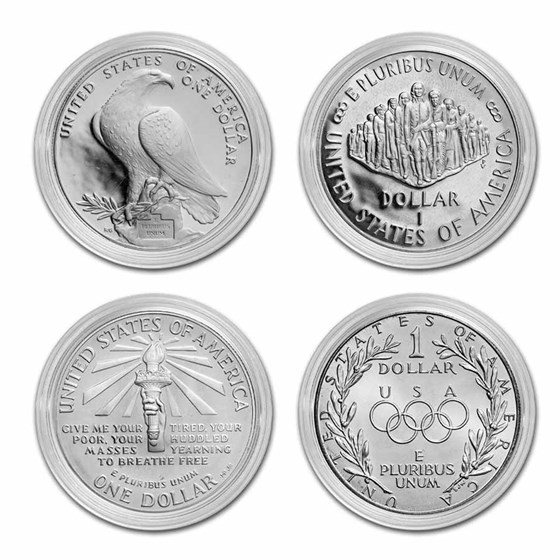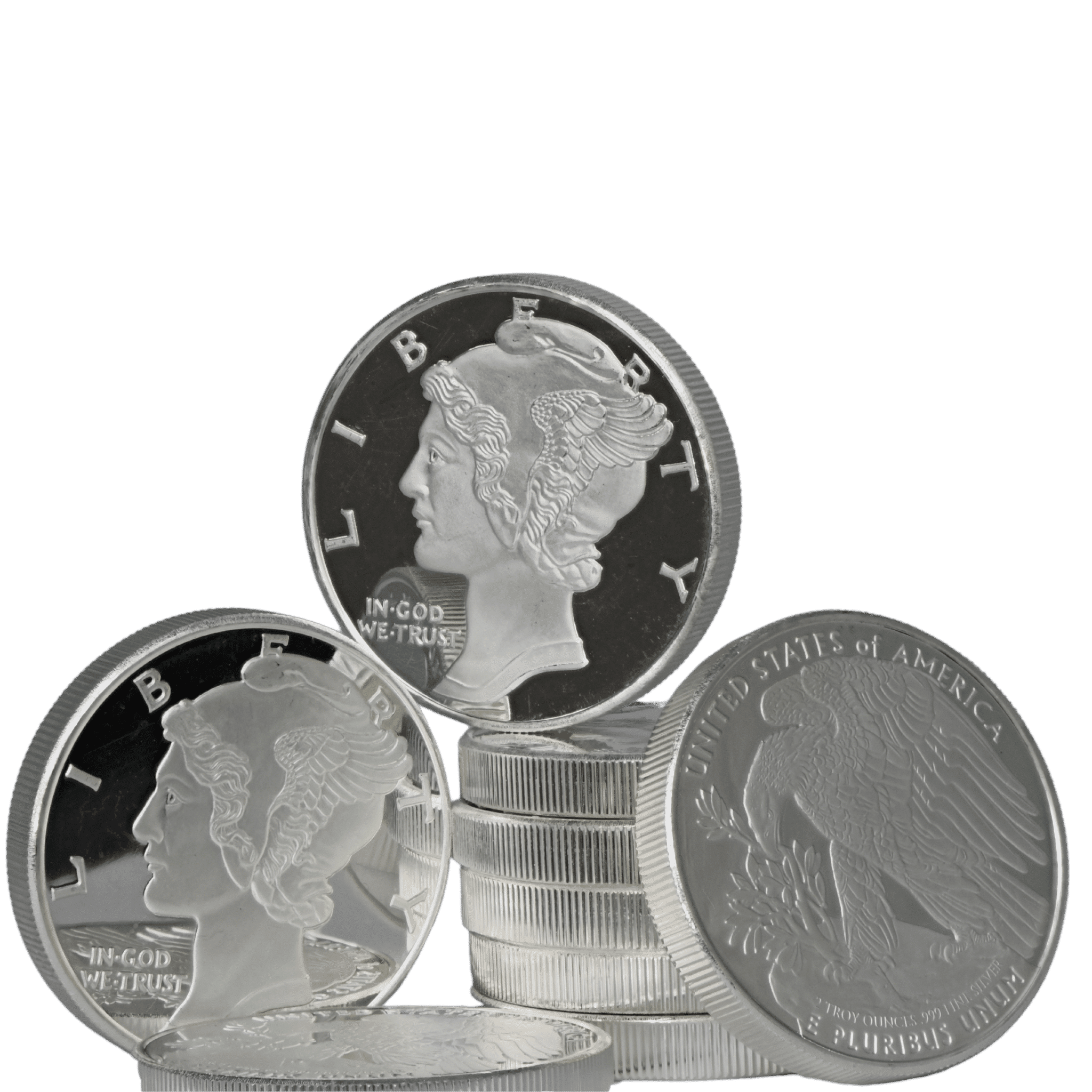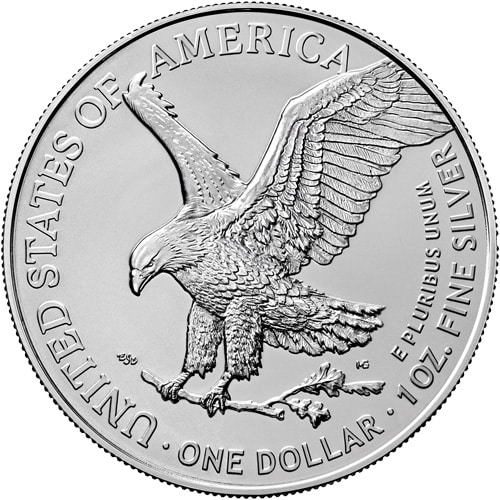
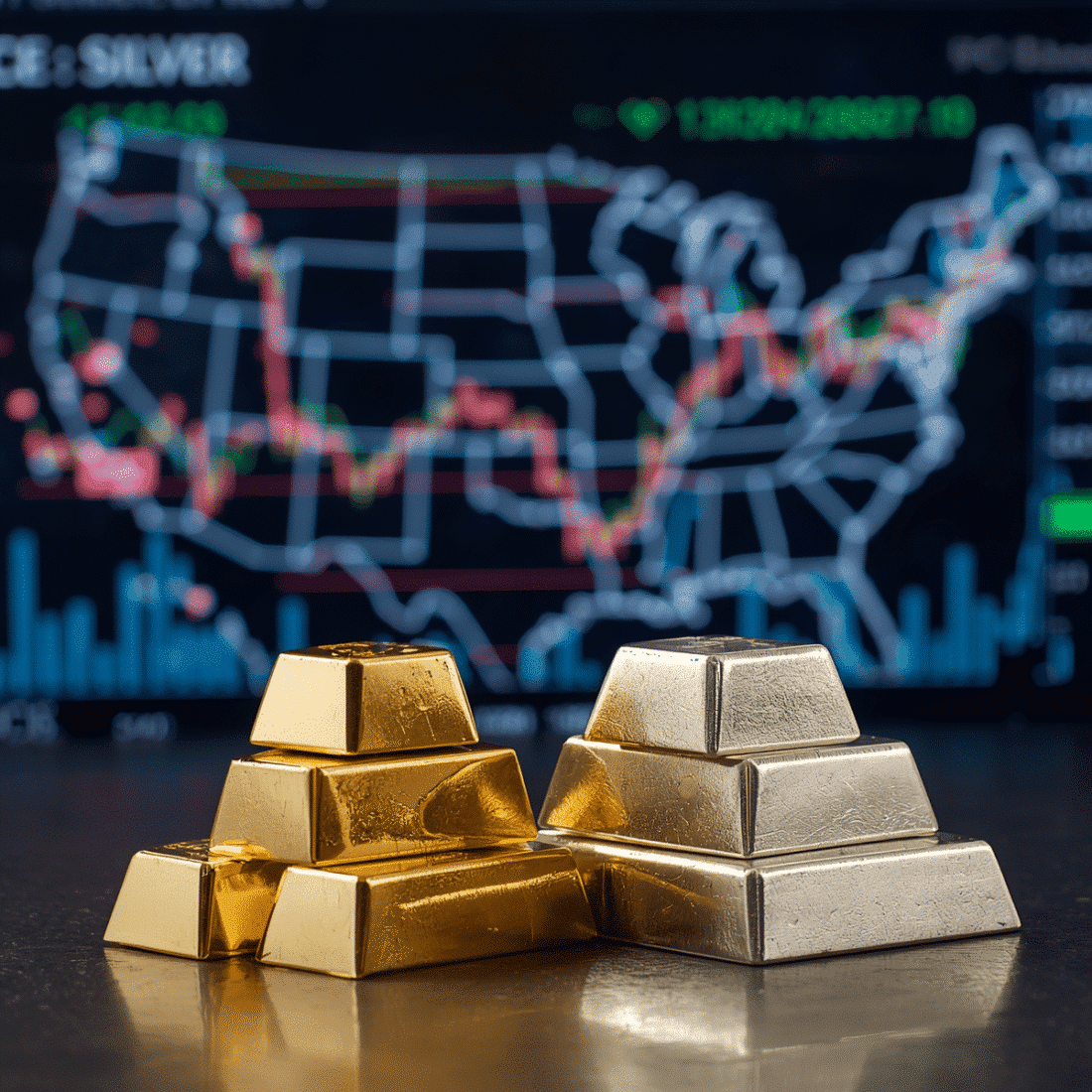
The gold price forecast remains closely tied to inflation expectations, Treasury yields, and Federal Reserve policy as investors prepare for the upcoming PCE inflation report. Rising oil prices, geopolitical tensions, and growing fiscal concerns continue creating volatility across precious metals markets, while long-term safe-haven demand for gold remains firmly intact.
Gold and Silver Stabilize as Investors Await PCE Inflation Data
Monday (5.18.26)
Spot gold closed at $4,566.94, while silver finished at $77.664. Precious metals worked to stabilize after the prior week’s pressure, but investors continued facing a difficult macro backdrop as the 10-year Treasury yield climbed to its highest level since February 2025. Oil-shipping disruptions through the Strait of Hormuz pushed crude prices sharply higher, reinforcing concerns that energy-driven inflation could keep borrowing costs elevated for longer than markets had hoped.
Gold continued attracting interest from investors seeking portfolio diversification amid geopolitical uncertainty, though rising yields limited upside momentum. Silver remained relatively resilient above $77 as commodity demand and inflation-hedging interest helped offset pressure from higher rates.
Tuesday (5.19.26)
Gold fell sharply Tuesday, dropping roughly $78.31 to close near $4,488.63, while silver declined approximately $4.00 to finish around $73.66. The primary headwinds came from higher Treasury yields, a stronger U.S. dollar, and renewed concerns that persistent U.S.–Iran tensions would keep energy prices elevated.
Markets increasingly priced in a “higher-for-longer” interest-rate environment, reducing expectations for near-term Federal Reserve easing. That dynamic pressured non-yielding assets like gold, while silver experienced amplified volatility due to its dual role as both a monetary and industrial metal.
Wednesday (5.20.26)
Gold rebounded Wednesday, rising approximately $49.63 to close near $4,538.26, while silver climbed about $2.18 to settle around $75.84. Treasury yields and oil prices eased modestly as investors reassessed inflation expectations and monitored developments in the Middle East.
Following Tuesday’s sharp selloff, metals markets attracted renewed buying interest as investors stepped back into positions after the washout. Silver once again demonstrated its tendency toward larger percentage swings during periods of volatility.
Thursday (5.21.26)
Gold edged higher Thursday, gaining roughly $3.22 to close near $4,541.48, while silver added approximately $0.88 to finish around $76.72. Softer oil prices, a weaker dollar, and easing Treasury yields provided modest support for bullion prices.
Still, investor enthusiasm remained measured as markets continued balancing geopolitical uncertainty against the possibility that the Federal Reserve may maintain restrictive policy longer than previously anticipated. The result was a relatively contained trading session for both metals.
Friday (5.22.26)
Gold and silver entered Friday under modest pressure. Spot gold slipped to approximately $4,522.00, down 0.44%, while silver fell near $75.80, down roughly 1.00%. The U.S. dollar strengthened as oil prices remained elevated and ongoing U.S.–Iran negotiations offered little immediate clarity for markets.
Brent crude hovered near $104.44 while WTI traded near $97.44, keeping inflation concerns firmly in focus. This environment created competing forces for precious metals: geopolitical uncertainty continued supporting safe-haven demand, while persistent inflation concerns reinforced expectations for elevated rates and firm Treasury yields.
Gold struggled to reclaim the $4,538–$4,546 resistance zone, while silver traded below the $76.00–$76.50 area as investors positioned cautiously ahead of the University of Michigan sentiment report and remarks from Federal Reserve Governor Christopher Waller.
U.S. Deficit Expected to Approach $2 Trillion as Fiscal Pressures Intensify
The Big Picture
The federal budget deficit is projected to approach $2 trillion in fiscal year 2026, highlighting the growing long-term fiscal pressures facing the United States. For investors, the conversation is no longer centered around temporary emergency spending, but rather whether structurally large deficits have become a permanent feature of the economic landscape.
Driving the News
Treasury refunding documents and market estimates suggest the deficit could exceed last year’s approximately $1.8 trillion shortfall as government spending, entitlement obligations, and interest expenses continue climbing.
By the Numbers
- $2 trillion — projected federal budget deficit for fiscal year 2026
• $2.1 trillion — White House deficit estimate
• $1.8 trillion — prior fiscal year deficit
• $1 trillion+ — projected annual interest expense
• 108% — projected debt-to-GDP ratio by 2030
• $39 trillion+ — current U.S. debt level
Why It Matters
Persistent deficits can increase Treasury issuance, potentially placing upward pressure on bond yields and borrowing costs. While higher yields can support the U.S. dollar in the short term, investors are increasingly evaluating the long-term implications for fiscal sustainability and purchasing power preservation.
Precious metals have historically attracted interest during periods of elevated debt concerns and monetary uncertainty because they are tangible assets not directly tied to sovereign liabilities.
What to Watch
- Treasury yields
• Bond-market demand for new debt issuance
• Federal interest expenses
• Debt-to-GDP projections
• Treasury auction strength
• Fiscal policy developments in Washington
The Bottom Line
America’s fiscal trajectory remains one of the most important long-term themes for investors. While markets continue functioning normally today, rising debt levels and expanding deficits reinforce the importance of diversification, liquidity, and long-term wealth preservation strategies.
“Golden Decade” Thesis Continues as In Gold We Trust Report Raises Gold Outlook
The Big Picture
Incrementum AG’s annual In Gold We Trust report argues that gold’s historic rally reflects more than speculative momentum. The report frames gold as part of a broader global reassessment of monetary stability, reserve diversification, and long-term debt sustainability.
Driving the News
The report’s authors, Ronald-Peter Stöferle and Mark Valek, raised their inflationary alternative price target for gold to $8,900 by the end of the decade after gold surpassed their prior long-term target years ahead of schedule.
By the Numbers
- $8,900 — revised long-term gold target
• $5,595 — January 2026 gold high
• +64.4% — gold’s gain during 2025
• 863 tonnes — central-bank gold purchases in 2025
• $348 trillion — estimated global debt
• $39 trillion+ — current U.S. debt level
Why It Matters
The report highlights how central banks, institutional investors, and sovereign entities increasingly view gold as a neutral reserve asset during periods of geopolitical fragmentation, elevated debt levels, and inflation uncertainty.
Continued central-bank demand remains one of the strongest structural supports for the long-term gold market.
What to Watch
- Central-bank gold purchases
• Inflation-adjusted bond returns
• Global debt growth
• U.S. Treasury yields
• De-dollarization trends
• Gold’s $4,500–$4,950 trading range
The Bottom Line
While gold may continue consolidating in the short term, the larger macroeconomic themes supporting precious metals remain intact. Investors continue evaluating gold not simply as a commodity, but as a long-term store of value within an evolving global financial system.
Turkey’s Reserve Liquidations Highlight Global Currency Pressures
The Big Picture
Turkey’s reported reduction in U.S. Treasury holdings underscores how emerging-market nations can face significant pressure during periods of rising energy prices, inflation, and currency instability.
Driving the News
According to reports, Turkey sharply reduced its Treasury holdings amid rising energy costs, pressure on the Turkish lira, and widening external deficits.
By the Numbers
- $1.8 billion — Turkey’s Treasury holdings at March-end
• $16 billion — Treasury holdings one month earlier
• $43.4 billion — decline in official reserves
• 32.4% — annual inflation rate
• 45.6 — record lira exchange level versus dollar
Why It Matters
Short-term reserve liquidations can occasionally pressure gold prices if central banks need liquidity quickly. However, these same stresses can also reinforce gold’s long-term role as a reserve diversification asset during periods of monetary instability.
What to Watch
- Emerging-market reserve activity
• U.S. Treasury demand
• Energy prices
• Currency-market volatility
• Central-bank gold transactions
The Bottom Line
Global reserve trends remain an important long-term signal for precious metals investors. While short-term market reactions can be volatile, reserve diversification and monetary uncertainty continue supporting strategic interest in gold worldwide.
Mark Zandi Warns Economic Slowdown Risks May Be Rising
The Big Picture
Moody’s Analytics Chief Economist Mark Zandi believes recession risks remain elevated despite recent stock-market strength, citing slowing consumer purchasing power and weakening household financial momentum.
Driving the News
Zandi estimated a 40% probability of recession within the next year, noting that real disposable income growth has largely stalled despite continued enthusiasm surrounding AI-related equity sectors.
By the Numbers
- 40% — estimated recession probability
• 15% — historical average recession probability
• 0% — year-over-year real disposable income growth
• 36 years — Zandi’s experience as an economist
Why It Matters
The divergence between strong equity markets and slower household income growth highlights the importance of maintaining balanced portfolios across multiple asset classes.
Historically, precious metals have often attracted investor attention during periods of economic uncertainty, slowing growth, and rising recession concerns.
What to Watch
- Consumer spending trends
• Labor-market data
• Disposable income growth
• Equity-market volatility
• Federal Reserve policy shifts
The Bottom Line
Markets continue balancing optimism surrounding innovation and technology against concerns about broader economic momentum. For long-term investors, maintaining diversified exposure across both growth-oriented and defensive assets remains increasingly important.
Economic Calendar: May 25 – May 29, 2026 (ET)
MONDAY, MAY 25
- Memorial Day Holiday — Markets Closed
TUESDAY, MAY 26
- 9:00 am — S&P Case-Shiller Home Price Index (March)
• 10:00 am — Consumer Confidence (May)
WEDNESDAY, MAY 27
- No major reports scheduled
THURSDAY, MAY 28
- 8:30 am — Initial Jobless Claims
• 10:00 am — New Home Sales (April)
FRIDAY, MAY 29
- 8:30 am — GDP Second Revision (Q1)
• 8:30 am — PCE Index (April)
IMPACT ON PRECIOUS METALS MARKETS
S&P Case-Shiller Home Price Index
- Rising home prices → may reinforce inflation concerns and support higher yields; mildly negative for metals
• Falling home prices → may signal slowing economic momentum; mildly supportive for metals
Housing data continues influencing inflation expectations and broader interest-rate outlooks.
Consumer Confidence
- Strong confidence → suggests resilient spending and economic strength; potentially negative for metals
• Weak confidence → may support defensive positioning and safe-haven demand
Consumer sentiment remains an important gauge of economic resilience.
Initial Jobless Claims
- Rising claims → may increase concerns about slowing growth; supportive for metals
• Falling claims → suggests continued labor-market strength; mildly negative for metals
Labor-market data remains one of the fastest-moving economic indicators affecting rates and dollar expectations.
New Home Sales
- Strong sales → reinforce economic resilience and consumer demand
• Weak sales → may signal slowing growth momentum
Housing remains highly sensitive to interest-rate conditions.
GDP Revision
- Stronger GDP → reinforces economic resilience; may pressure metals
• Weaker GDP → raises slowdown concerns; potentially supportive for precious metals
GDP revisions can significantly influence Treasury yields and Federal Reserve expectations.
PCE Index
- Hotter inflation → reinforces “higher-for-longer” rate expectations
• Cooler inflation → strengthens the case for eventual Fed easing
The PCE Index remains one of the most closely watched inflation reports for both Federal Reserve policymakers and precious metals investors.
Continue Learning with Brighton Enterprises
Understanding precious metals markets requires more than simply following price movements—it requires staying informed about the broader economic forces shaping inflation, debt markets, monetary policy, and long-term wealth preservation.
Explore additional market insights, educational resources, and precious metals guidance at:
Or speak directly with a Brighton Enterprises specialist at:
844-459-0042
We are not financial advisors. This content is for informational purposes only and should not be construed as financial advice. Please consult with a licensed professional for personalized guidance. This publication adheres to all SEC laws, rules, and guidelines.