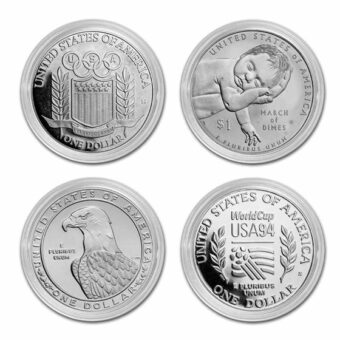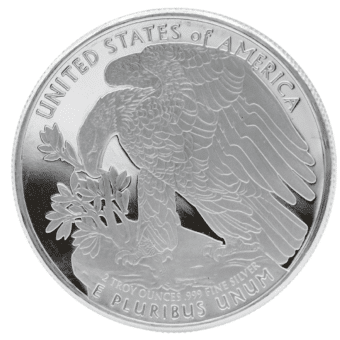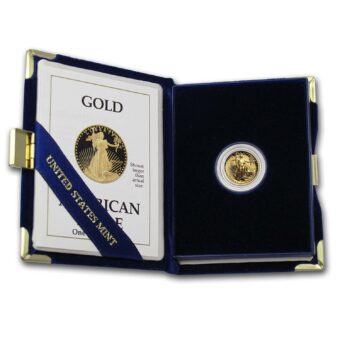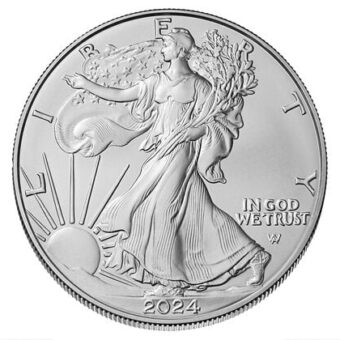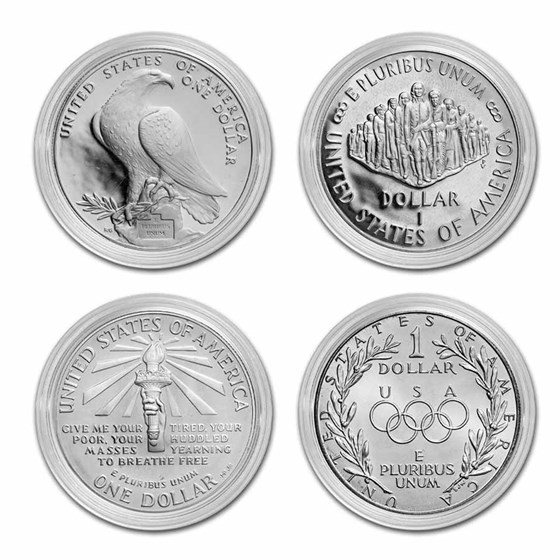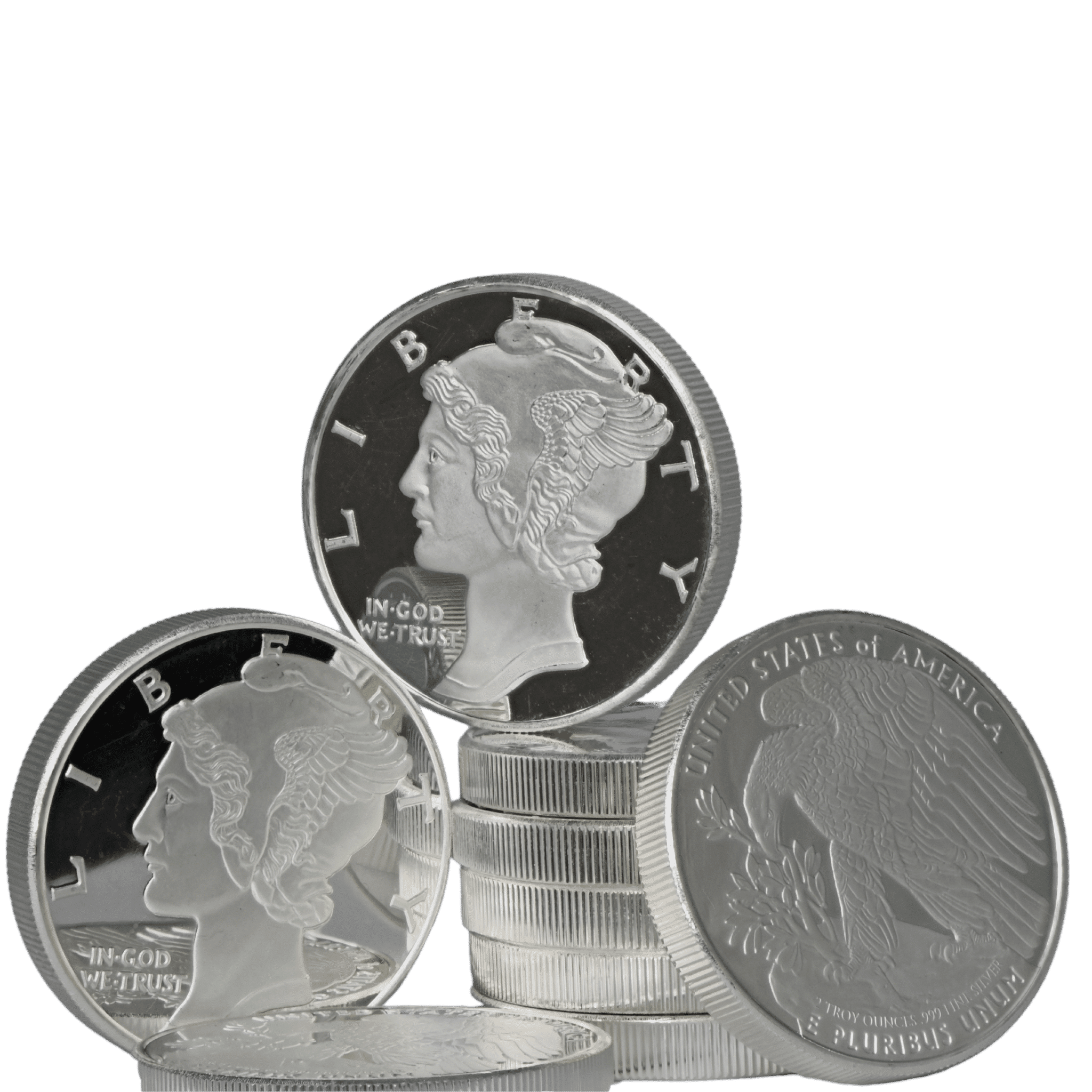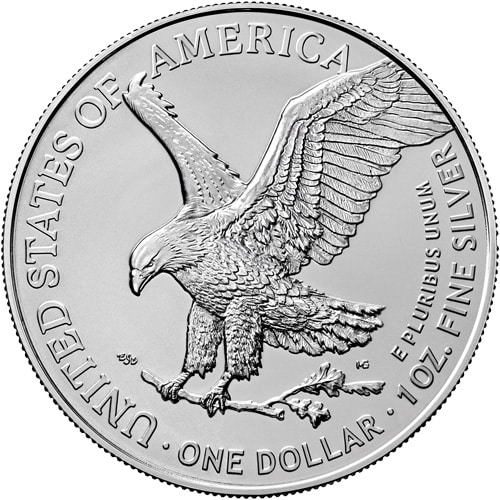

Metals got dragged through the macro blender this week — peace talk drama, a jobs report surprise, and crypto doing crypto things. The real story isn’t the noise, it’s what comes next: CPI and PPI land next week, and markets are waiting to see whether inflation is finally cooling off or still running hot. In many ways, Gold and Silver in the Crossfire captures the current market environment, where precious metals are being pulled between competing forces like inflation expectations, Federal Reserve policy, geopolitical developments, and shifting investor sentiment. For investors, businesses, and families thinking long-term, that’s the number worth watching.
Monday (6.01.26): Gold $4,485.10 · Silver $73.19. Not exactly the calm start investors were hoping for. Fresh tensions around the Strait of Hormuz sent oil prices higher, inflation worries back into the spotlight, and metals lower. Markets basically looked at rising energy costs and said, “Here we go again.”
Tuesday (6.02.26): Gold $4,490.05 · Silver $74.28. A quieter day. Gold and silver caught their breath while investors kept one eye on global headlines and the other on central banks. China kept adding to its gold stash for the 18th straight month—nothing flashy, just steady demand doing its thing.
Wednesday (6.03.26): Gold $4,434.85 · Silver $72.57. Oof. A stronger-than-expected ISM Services report reminded everyone the economy still has some gas in the tank. That cooled hopes for rate cuts and sent metals lower. Silver took the bigger hit, which is pretty on-brand for silver.
Thursday (6.04.26): Gold $4,479.83 · Silver $73.95. Finally, a little sunshine. Easing geopolitical tensions, lower oil prices, and a softer dollar helped metals bounce back. Silver led the way, proving once again that when it moves, it likes to make an entrance.
Friday (6.05.26): Gold $4,464.60 · Silver $73.32. Just when markets thought they were heading into the weekend quietly, the jobs report showed up. Hiring came in stronger than expected, reminding investors that the Fed may not be in a hurry to cut rates. Gold gave back some ground, but the bigger story is still next week’s inflation data.
Trade Policy Returns to the Spotlight
The big picture
Tariffs are back on the menu.
But this round feels less like a surprise headline and more like a slow-cooker policy move. Washington is taking the legal route, building a trade framework designed to stick around longer than a news cycle.
Translation: less chaos, more paperwork. Still important.
Driving the news
U.S. Trade Representative Jamieson Greer proposed new tariffs on 60 countries tied to forced-labor concerns.
The proposed rate: 12.5% for several major trading partners, including China, Japan, South Korea, and Brazil. Countries that already restrict some forced-labor imports — like Canada, Mexico, the EU, and the U.K. — would get a lighter 10% rate.
Nothing is final yet. Public comments and hearings come first.
By the numbers
- 60 — countries included in the proposal
- 12.5% — proposed rate for most targeted nations
- 10% — proposed rate for countries with existing restrictions
- 25% — separate tariff proposal on Brazilian imports
- 15% — revised tariff proposal on farm and construction equipment
- 150 days — duration of the current emergency tariff framework
Why it matters
Tariffs are not just a Washington problem.
They can ripple through supply chains, pricing, business planning, and eventually the checkout line. For companies, the big question is simple: what gets more expensive, and when?
For investors, the question is even simpler: who adapts fastest?
What to watch
- Trade negotiations
- More Section 301 investigations
- Possible changes before tariffs become final
- Companies adjusting inventory or sourcing plans
The bottom line
Trade policy is entering its paperwork era.
That may sound boring, but boring can still move markets. Businesses that plan early and stay flexible could have the edge.
Crypto Searches for Stability
The big picture
Crypto had another “maybe don’t check the app” kind of week.
Bitcoin and Ethereum kept sliding, momentum stayed soft, and traders started watching support levels like they were season finales.
Driving the news
Bitcoin dropped toward $63,913, while several technical indicators flashed deeply oversold readings. Ethereum felt the pressure too, showing that this was not just a Bitcoin problem.
Meanwhile, more money moved into stablecoins. That usually means investors are taking a pause, reassessing risk, and waiting for the next clear signal.
By the numbers
- $63,913 → $60K → $49K → $38,555 — key levels traders are watching
- 7.69 / 9.52 — Bitcoin and Ethereum RSI readings
- 12.4% — stablecoin market dominance
Why it matters
Crypto moves fast. Sometimes too fast.
Pullbacks can shake out short-term momentum, but they also give long-term investors a chance to review their strategy, risk tolerance, and time horizon.
The goal is not to react to every candle. It is to understand the bigger trend.
What to watch
- Bitcoin near $60,000
- Stablecoin dominance moving toward 13%
- Broader market volatility
- Whether buyers step back in with conviction
The bottom line
Crypto is still searching for its footing.
That does not mean the story is over. It means discipline matters. In fast-moving markets, the investors with a plan usually have the clearest view.
Precious Metals Benefit from Easing Inflation Pressures
The big picture
Gold and silver got a little help from their friends: lower oil, softer yields, and a weaker dollar.
Not a bad trio.
Thursday gave precious metals the kind of setup they like — less pressure from rates and a little more breathing room from inflation worries.
Driving the news
Oil prices eased, inflation expectations cooled a bit, and jobless claims ticked higher. Put those together and investors started thinking the Fed may still have room to cut rates down the road.
Gold rose nearly 1%, while silver climbed even more.
Classic silver: arrives late, makes it dramatic.
By the numbers
- $4,477.70 — spot gold price
- $73.955 — spot silver price
- $93.02 / $95.22 — Nymex and Brent crude oil prices
- 225,000 — weekly jobless claims
- 51,561.93 — Dow Jones record closing level
Why it matters
Gold and silver do not just move on headlines.
They also move on interest-rate expectations. When yields soften, precious metals can look more attractive because investors are not giving up as much income by holding them.
Simple version: lower-rate vibes can be metal-friendly.
What to watch
- Next week’s inflation reports
- Energy prices
- Treasury yields
- Federal Reserve commentary
- Any headlines that shift the inflation outlook
The bottom line
Gold is still hanging near historic highs. Silver is still showing muscle. And the market is still waiting for its next big clue.
That clue may arrive next week with CPI and PPI.
Stay curious. Stay informed. That is where smart investing starts.
ECONOMIC CALENDAR
MONDAY, JUNE 8
- None scheduled
TUESDAY, JUNE 9
- 6:00 am — NFIB Optimism Index (May)
- 10:00 am — Existing Home Sales (May)
WEDNESDAY, JUNE 10
- 8:30 am — Consumer Price Index (May)
THURSDAY, JUNE 11
- 8:30 am — Initial Jobless Claims (June 6)
- 8:30 am — Producer Price Index (May)
FRIDAY, JUNE 12
- 10:00 am — Consumer Sentiment, preliminary (June)
IMPACT ON PRECIOUS METALS MARKETS
NFIB Optimism Index
- Strong optimism can signal continued economic momentum, which may create modest headwinds for precious metals.
- Weak optimism may suggest slowing activity, which can support demand for defensive assets.
Think of this report as a pulse check on Main Street business owners and their confidence in the economy.
Existing Home Sales
- Strong housing activity often reflects healthy consumer demand and economic confidence.
- Weaker sales may indicate slowing growth and tighter financial conditions.
Housing data rarely drives gold directly, but it helps investors evaluate broader economic trends.
Consumer Price Index
- Higher inflation readings can influence expectations for future Federal Reserve policy.
- Lower inflation readings may support expectations for more accommodative monetary policy.
This is one of the most closely watched reports each month because it influences nearly every major market.
Initial Jobless Claims
- Rising claims can suggest a gradually cooling labor market.
- Falling claims reinforce labor market strength.
Investors monitor claims closely because employment remains one of the Federal Reserve’s key focus areas.
Producer Price Index
- Higher producer prices can signal inflation pressure moving through the supply chain.
- Lower producer prices may indicate easing cost pressures.
PPI often provides additional context to the inflation story that begins with CPI.
Consumer Sentiment
- Confident consumers tend to support economic growth through continued spending.
- More cautious consumers may indicate growing economic uncertainty.
Consumer behavior often helps shape the direction of the broader economy.
Continue Your Financial Education
Markets change. Principles don’t.
At Brighton Enterprises, our mission is to help investors build knowledge, confidence, and long-term financial clarity through education and insight—not speculation.
Visit our website for additional market updates, educational resources, and strategies designed to help you make informed decisions in any market environment.
Learn more. Stay informed. Build brighter financial futures with Brighton Enterprises.