
Here’s the short version: ask about their complete fee structure, buyback policy, storage options, and how long they’ve been in business. Get everything in writing. And don’t let anyone rush you.
A few well-placed questions can reveal whether you’re dealing with a company that values transparency—or one that’s counting on you not to ask.
Why does this matter?
The Commodity Futures Trading Commission (CFTC) has documented cases where customers lost nearly half their retirement savings to hidden fees and inflated premiums. In one complaint, a customer who rolled over $300,000 into a Gold IRA was charged almost $150,000 in costs.
That’s not a typo. Half—gone before the gold even had a chance to do anything.
The companies that operate this way count on confusion. They rely on urgency. And they assume most people won’t know what questions to ask.
But you’re not most people.
The questions you ask before choosing a Gold IRA company can mean the difference between peace of mind and a costly mistake. This guide walks you through exactly what to ask—and what the answers should tell you.
The Questions That Reveal Everything

Before you speak with any Gold IRA company, it helps to have a framework.
Not every question carries the same weight. Some reveal fee structures. Others expose how a company operates when things don’t go as planned.
The sections below break down the most important questions into categories—fees, legitimacy, storage, and exit strategy. You’ll learn what to ask, what a good answer sounds like, and what should give you pause.
Question 1: What Is Your Complete Fee Structure?
This is the question most people ask—but not thoroughly enough.
Gold IRAs come with multiple layers of fees. Some are standard across the industry. Others are where certain companies quietly pad their margins.
Here’s what to ask for specifically:
- Setup or account application fee — Typically $50-$150 to establish the account
- Annual maintenance fee — Usually $75-$250 per year for administrative services
- Storage fees — Expect $100-$300+ annually depending on storage type
- Wire transfer fees — Often $25-$50 per transaction
- Transaction fees — Some custodians charge 1-2% per purchase or sale
A trustworthy company will hand you a written fee schedule before you commit.
If they hesitate? If they redirect? If they say “it depends”?
That’s a signal to slow down.
Why This Matters Now:
Here’s what catches many people off guard—the fees you see upfront aren’t always the fees that matter most.
Some companies quote low setup fees but charge excessive premiums on the metals themselves. The premium is the markup above the spot price of gold.
Standard bullion typically carries premiums of 3-5% above spot. If you’re being quoted 15-30% above spot—especially for “rare” or “collectible” coins—you’re likely paying far more than necessary.
The CFTC specifically warns about dealers who push collector coins with premiums that make it nearly impossible to ever see a return.
Question 2: Do You Offer a Buyback Program?
This question reveals how the company thinks about your long-term relationship—not just the initial sale.
A buyback program means the company will repurchase the metals they sold you when you’re ready to liquidate.
Why does this matter?
- Required Minimum Distributions (RMDs) — After age 73, you must take distributions from traditional IRAs
- Emergency access — Unexpected expenses may require converting metals to cash
- Simplicity — Without a reliable buyer, you’d need to find one yourself
Here’s what to ask:
- “Do you guarantee to buy back the products you sold me?”
- “How is the buyback price determined?”
- “Are there liquidation fees or penalties?”
- “How long does the process take?”
A transparent company will explain that buyback prices are based on current market value. They’ll clearly state any fees involved. Some companies offer no-fee buyback programs—which means you’re not penalized for liquidating when the time comes.
Red flag: Companies that are enthusiastic about selling to you but vague about buying back.
If they won’t commit to repurchasing what they sold, ask yourself why.
Question 3: How Long Have You Been in Business?
Longevity matters in the precious metals industry.
Companies come and go—sometimes quickly.
The Better Business Bureau tracks two important dates for any company:
- “Business Started” date — When the company was incorporated
- “BBB File Opened” date — When the company registered with the BBB
Both dates tell you something.
A company that’s been operating for 10+ years and has maintained BBB accreditation throughout has demonstrated staying power. A company that opened last year—no matter how polished their marketing—hasn’t been tested by time.
This doesn’t mean new companies are automatically problematic. But it does mean you should apply extra scrutiny.
What You Can Do:
Look for these signals when researching any Gold IRA company:
- A+ BBB rating with accreditation indicates the company meets ethical advertising standards
- Affiliations with industry organizations like the American Numismatic Association (ANA) or Industry Council for Tangible Assets (ICTA)
- A pattern of resolved complaints rather than unresolved disputes
- Third-party reviews on Trustpilot and Google Reviews
A company with a long track record, strong ratings, and a history of resolving issues demonstrates something important—they’re in this for the long haul.
Understanding the Roles: Dealer vs. Custodian vs. Depository
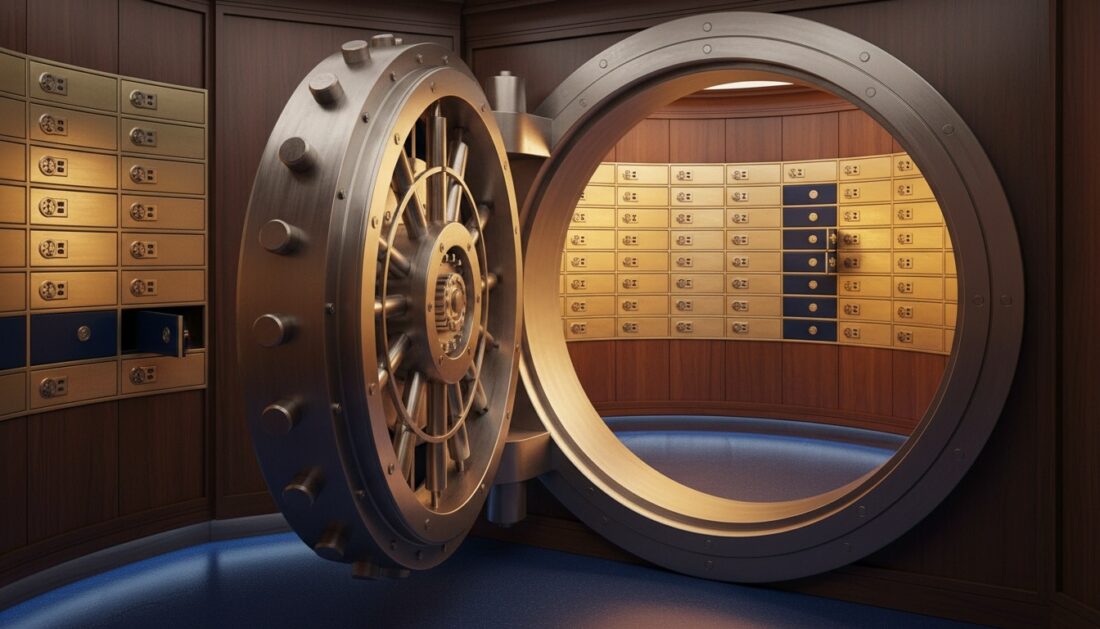
One source of confusion—and potential missteps—is not understanding who does what in a Gold IRA.
There are three distinct entities involved. They serve different purposes. And understanding these roles helps you ask better questions.
The Dealer’s Role
The dealer is the company you’re talking to when you decide to open a Gold IRA.
They sell you the metals. They help you select products that meet IRS requirements for inclusion in a retirement account.
Here’s what’s important to understand: dealers are not financial professionals with fiduciary responsibility to you. They’re salespeople—some excellent, some less so.
The CFTC notes that even dealers who call themselves “IRA experts” are typically paid on commission based on the products they sell.
This isn’t inherently problematic. But it means you should verify their recommendations independently.
A good dealer will:
- Explain the difference between various products clearly
- Recommend standard bullion (like American Gold Eagles) over high-premium collectibles unless you specifically want them
- Provide transparent pricing without pressure
The Custodian’s Role
The custodian is the IRS-approved entity that holds and administers your IRA.
They handle compliance. They handle reporting. They manage the paperwork required to keep your account in good standing.
Custodians don’t give you financial guidance. They don’t recommend what to buy. Their role is administrative—ensuring your account meets IRS regulations and coordinating with the depository where your metals are stored.
Common custodians include Equity Trust, Kingdom Trust, GoldStar Trust, and New Direction IRA.
When evaluating a Gold IRA company, ask:
- “Which custodian do you work with?”
- “Can I choose a different custodian if I prefer?”
- “What are the custodian’s specific fees?”
Some companies have exclusive relationships with certain custodians. Others offer flexibility. Neither is automatically better—but you should understand the arrangement.
The Depository’s Role
The depository is the physical facility where your metals are stored.
The IRS requires that precious metals in an IRA be held by a bank or IRS-approved nonbank trustee—not in your home, not in a safe deposit box, and not buried in your backyard.
This is non-negotiable.
Any company suggesting you can store IRA metals at home is either misinformed or deliberately misleading you. Home storage would disqualify your IRA and trigger taxes and penalties.
Reputable depositories include:
- Delaware Depository Service Company
- Brinks Global Services
- International Depository Services (IDS)
- Texas Precious Metals Depository
These facilities offer 24/7 security, insurance coverage (often up to $1 billion through carriers like Lloyd’s of London), and regular audits.
| Role | What They Do | Who Chooses Them |
|---|---|---|
| Dealer | Sells metals, helps with product selection | You choose based on research |
| Custodian | Administers IRA, handles compliance | Often recommended by dealer; you can verify |
| Depository | Stores physical metals securely | Usually selected from custodian’s approved list |
Storage Options: What You Need to Know

When you ask about storage, you’ll hear two terms: segregated and non-segregated (also called commingled).
Both are IRS-compliant. Both are secure. But they work differently—and the choice affects your costs and what happens when you take distributions.
Segregated Storage
With segregated storage, your specific coins and bars are stored separately from everyone else’s.
They’re identified by serial number. They’re held in your own designated space within the vault.
Benefits:
- You receive the exact items you purchased when you take distributions
- Enhanced traceability and ownership documentation
- Some customers prefer the peace of mind of individual allocation
Considerations:
- Higher annual fees—typically $150-$300+ depending on account size
- Requires additional administrative tracking
Segregated storage makes sense if you’re purchasing unique items, prefer knowing exactly which products are “yours,” or plan to take physical delivery in the future.
Non-Segregated (Commingled) Storage
With non-segregated storage, your metals are stored alongside other customers’ holdings of the same type and purity.
The depository tracks your ownership on paper. But your specific coins aren’t separated from identical products owned by others.
Benefits:
- Lower annual fees—typically $100-$150
- Faster processing for purchases, sales, or distributions
- Same high security and insurance as segregated storage
Considerations:
- You may receive different (but equivalent) items when liquidating—same weight, same purity, same product type
- Some customers prefer the certainty of segregated allocation
For most customers purchasing standard bullion products like American Gold Eagles or gold bars, non-segregated storage is perfectly appropriate and more cost-effective.
The key? Asking the question and understanding your options before committing.
| Feature | Segregated Storage | Non-Segregated Storage |
|---|---|---|
| Your metals stored separately | Yes | No (pooled with others) |
| Receive exact items purchased | Yes | No (equivalent items) |
| Typical annual cost | $150-$300+ | $100-$150 |
| Security level | High | High |
| Best for | Unique items, planned delivery | Standard bullion, cost savings |
Red Flags: What Should Make You Walk Away

Not every Gold IRA company operates with your best interests in mind.
Some rely on pressure. Some rely on confusion. Some count on urgency to close sales before you’ve had time to think.
Here’s what should make you pause—or walk away entirely.
High-Pressure Sales Tactics
Legitimate companies don’t need to pressure you.
If you’re hearing phrases like “this price is only available today” or “you need to act now before gold goes up”—slow down.
Gold has been around for thousands of years. It will still be available next week.
Any company creating artificial urgency is likely more interested in closing a sale than building a relationship.
What pressure looks like:
- Multiple follow-up calls in a short period
- Discouragement when you mention wanting to compare options
- Claims that a “special price” or “promotion” expires imminently
- Dismissiveness when you ask detailed questions
Pushing Collectible or “Rare” Coins
The CFTC specifically warns about dealers who push collector coins with premiums far above standard bullion.
Here’s the issue: collectible coins can carry premiums of 20-30% or more above the metal’s spot value.
For these coins to become worthwhile, gold prices would need to rise significantly just for you to break even—before any fees.
Standard bullion products like American Gold Eagles, Canadian Maple Leafs, or gold bars from accredited refiners typically carry premiums of 3-5%. They’re highly liquid. They’re widely recognized. They’re accepted by any reputable dealer.
If someone is steering you toward “rare” coins without you specifically asking for them, ask why.
The answer often comes down to higher commissions.
Promises of Guaranteed Returns
No one can guarantee what gold will do.
Precious metals may appreciate, depreciate, or remain unchanged in value. Anyone telling you otherwise is either uninformed or deliberately misleading you.
This applies to fear-based predictions too.
Claims about imminent economic collapse or “last chance” opportunities are marketing tactics—not financial analysis.
A trustworthy company will be honest: gold is purchased for potential stability and as a tangible asset—not as a guaranteed path to returns.
Home Storage Promotions
Any company promoting “home storage IRAs” should be avoided entirely.
The IRS is clear: precious metals held in an IRA must be stored by a qualified trustee at an approved depository.
Attempts to store IRA metals at home—even through elaborate LLC structures—have been rejected by courts and can result in the disqualification of your entire IRA.
This isn’t a gray area. It’s not a “controversial new strategy.”
It’s a compliance violation that could cost you in taxes and penalties.
The Due Diligence Checklist

Before you commit to any Gold IRA company, work through this checklist.
A few hours of research now can save you significant frustration—and money—later.
Verify Their BBB Profile
Visit bbb.org and search for the company name.
Look for:
- Current rating (A+ is highest)
- Accreditation status (accredited businesses have committed to BBB standards)
- Number of complaints in the past three years
- Whether complaints were resolved or remain open
- “Business Started” and “BBB File Opened” dates
A company with a long track record, high rating, and pattern of resolved complaints demonstrates reliability.
Request a Written Fee Schedule
Ask for—and receive in writing—a complete breakdown of all fees:
- Account setup fee
- Annual maintenance fee
- Storage fees (both segregated and non-segregated options)
- Wire transfer fees
- Transaction fees
- Any other charges
If a company won’t provide this in writing before you commit? Consider that a significant warning sign.
Confirm Custodian and Depository Relationships
Ask specifically:
- “Which custodian will hold my account?”
- “Which depository will store my metals?”
- “Are these IRS-approved?”
You can verify custodians and depositories independently. Reputable companies will name their partners without hesitation.
Understand the Buyback Process
Get clear answers about:
- Whether they guarantee buyback of products purchased through them
- How pricing is determined
- What fees apply to liquidation
- How long the process takes
A company that’s transparent about selling—and equally transparent about buying back—demonstrates long-term orientation.
Read Third-Party Reviews
Don’t rely solely on testimonials from the company’s website.
Check:
- Trustpilot
- Google Reviews
- Better Business Bureau reviews
- ConsumerAffairs
Look for patterns.
A few negative reviews among many positives isn’t concerning. A pattern of similar complaints about fees, pressure, or difficulty liquidating? That’s a different story.
What the Process Should Look Like

Once you’ve done your due diligence and chosen a company, here’s what a seamless process typically looks like.
Step 1: Initial Consultation
A representative should walk you through your options without pressure.
This conversation should cover:
- Your goals and timeline
- How Gold IRAs work
- Fee structure and storage options
- Answers to your questions
If this feels like a sales pitch rather than a consultation, trust your instincts.
Step 2: Account Setup
You’ll work with the custodian (facilitated by the dealer) to open a self-directed IRA.
This involves:
- Completing application paperwork
- Providing identification
- Reviewing terms and conditions
Setup typically takes a few business days once paperwork is submitted.
Step 3: Funding
You’ll fund your new account through one of several methods:
- Direct transfer — Moving funds from an existing IRA directly to the new custodian (no taxes or penalties if done properly)
- Rollover — Receiving funds from a 401(k) or other retirement account and depositing them within 60 days
- Contribution — Making a new contribution within IRS limits
Most customers fund through transfers or rollovers from existing retirement accounts.
If you’re considering rolling over a 401(k), make sure you understand the process to avoid penalties.
Step 4: Metal Selection and Purchase
Once funded, you’ll select the specific products for your IRA.
Focus on IRS-approved options:
- Gold must be 99.5% pure (American Gold Eagles are an exception at 91.67%)
- Silver must be 99.9% pure
- Products must come from approved mints or refiners
Standard choices include American Gold Eagles, American Silver Eagles, Canadian Maple Leafs, and bars from accredited refiners. These are highly liquid and widely recognized.
If you’re unsure whether gold or silver—or some combination—makes sense for your situation, our comparison of gold vs. silver covers the key differences.
Step 5: Storage and Ongoing Support
Your metals are shipped to the depository and stored according to your preferences.
From there:
- You can monitor your account online through your custodian
- Annual statements document your holdings
- You can add to your account, take distributions, or liquidate when ready
The entire process—from initial consultation to metals in storage—typically takes two to four weeks.
And a good company provides support at every stage of ownership—not just during the sale.
Frequently Asked Questions
What are the hidden fees in a Gold IRA?
Hidden fees can include wire transfer charges ($25-$50 per transaction), account termination fees, paper statement fees, expedited processing charges, and excessive premiums on metals.
Some companies charge 15-30% above spot price for certain coins—far more than the standard 3-5% for bullion.
The best protection? Request a complete fee schedule in writing before you commit. A company that won’t provide this should raise concerns.
How do I verify if a gold company is legitimate?
Start with the Better Business Bureau.
Check their rating, accreditation status, years in business, and complaint history. Then review Trustpilot and Google Reviews for patterns.
Look for affiliations with industry organizations like the American Numismatic Association (ANA) and Industry Council for Tangible Assets (ICTA).
Longevity matters. A company that’s operated successfully for 10+ years has demonstrated it can serve customers over time.
Can I store my Gold IRA metals at home?
No.
The IRS requires all precious metals held in an IRA to be stored at an IRS-approved depository under the custody of a qualified trustee.
Home storage violates these regulations.
Attempting home storage—even through LLC structures—has been rejected by courts and would disqualify your entire IRA. This would trigger taxes on the full account value plus potential early withdrawal penalties if you’re under 59½.
Any company promoting “home storage IRAs” should be avoided.
What is the difference between a gold dealer and a gold custodian?
A dealer sells you the metals and helps you select products.
A custodian is the IRS-approved entity that holds and administers your IRA, handles compliance, and coordinates with the depository.
Dealers are salespeople—they earn commissions on what they sell. Custodians are administrators—they ensure your account meets IRS regulations.
Both play important roles, but their functions are distinct.
What happens if the gold company goes out of business?
Your metals remain safe because they’re held at an independent depository—not by the dealer.
You maintain ownership of the physical gold regardless of what happens to the company that sold it to you.
If a custodian were to close, regulations require them to transfer holdings to another IRS-approved facility. Your ownership doesn’t change.
This is one reason to verify that a company uses established, reputable custodians and depositories.
Why do some companies have two different prices for the same coin?
The difference between “spot price” and “retail price” is called the premium or spread.
Spot price is the current market price for raw gold. Retail price includes the premium for minting, distribution, and dealer profit.
Standard bullion premiums run 3-5% above spot. Collector or “rare” coins can carry premiums of 20-30% or more.
This is why the CFTC warns about dealers who push collectibles—the premium makes it difficult to ever realize value from the purchase.
What is the difference between segregated and non-segregated storage?
Segregated storage keeps your specific metals separate from everyone else’s, identified by serial number. You receive the exact items you purchased when taking distributions. It typically costs $150-$300+ annually.
Non-segregated (commingled) storage pools your metals with others’ holdings of the same type. You own a share of the pool and receive equivalent items when liquidating. It typically costs $100-$150 annually.
Both are secure and IRS-compliant.
Your choice depends on whether individual allocation matters to you—and whether the cost difference is worthwhile for your situation.
Do I really need a Gold IRA or can I just buy gold coins directly?
Both approaches have merit. They serve different purposes.
A Gold IRA offers tax advantages. With a Traditional Gold IRA, contributions may be tax-deductible and growth is tax-deferred. With a Roth Gold IRA, qualified withdrawals are tax-free. However, IRAs require custodial storage and have ongoing fees.
Direct purchase gives you immediate physical possession and no annual fees. But you lose the tax advantages, and you’re responsible for secure storage.
Many people use both—a Gold IRA for retirement savings and direct purchase for tangible ownership outside retirement accounts.
If you’re exploring your options, our article on how to buy physical gold and silver covers both approaches.
The Takeaway
Choosing a Gold IRA company isn’t something to rush.
The questions you ask—and the answers you receive—tell you everything about whether a company deserves your trust.
Here’s what matters most:
- Complete fee transparency — Written schedules, no surprises
- Clear buyback policy — They’ll buy back what they sell
- Established track record — Years in business, BBB accreditation, resolved complaints
- IRS-compliant custody — Approved custodians and depositories
- No high-pressure tactics — Willingness to let you take your time
If a company can’t meet these standards, keep looking. There are reputable companies that can.
Take the time to do your homework. Ask the questions. Get answers in writing.
Your retirement savings took decades to build. A few good questions can help make sure they’re protected—and give you the clarity and control you deserve.
Ready to ask the right questions?
If you’re thinking “this all makes sense, but I’d like to talk through my specific situation,” you’re not alone. Most customers we work with felt the same way before they realized how seamless the process can be with the right guidance.
That’s why we offer a complimentary consultation to walk you through your options—including our No Fee Precious Metals IRA, which covers custodial fees for the lifetime of the account on qualified purchases.
We’ll show you exactly:
- How the No Fee IRA works and whether you qualify
- The difference between U.S.-minted coins and foreign alternatives
- What to expect from the purchasing and delivery process
- How to roll over or transfer existing retirement funds
- What ongoing support looks like after your purchase
Learn About the No Fee IRA—no obligation, just actionable insights you can use whether you work with us or not.
Your retirement savings deserve that level of care.