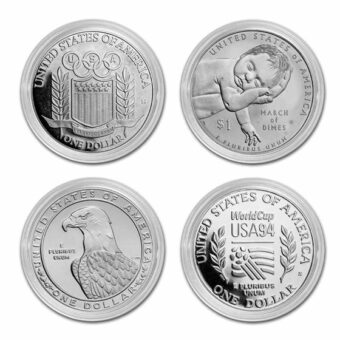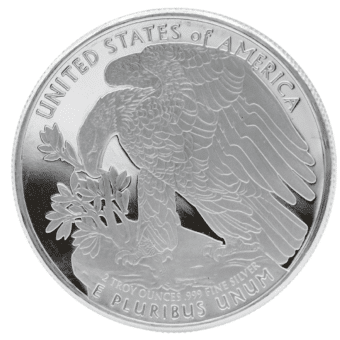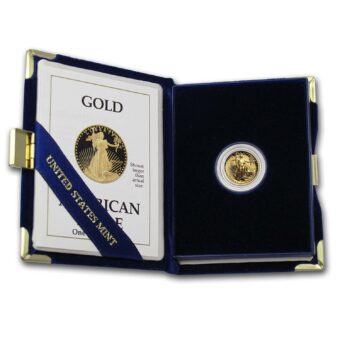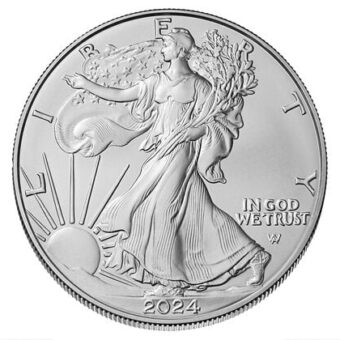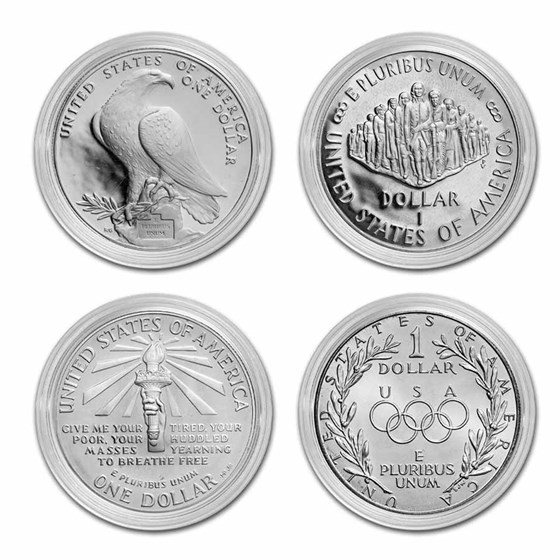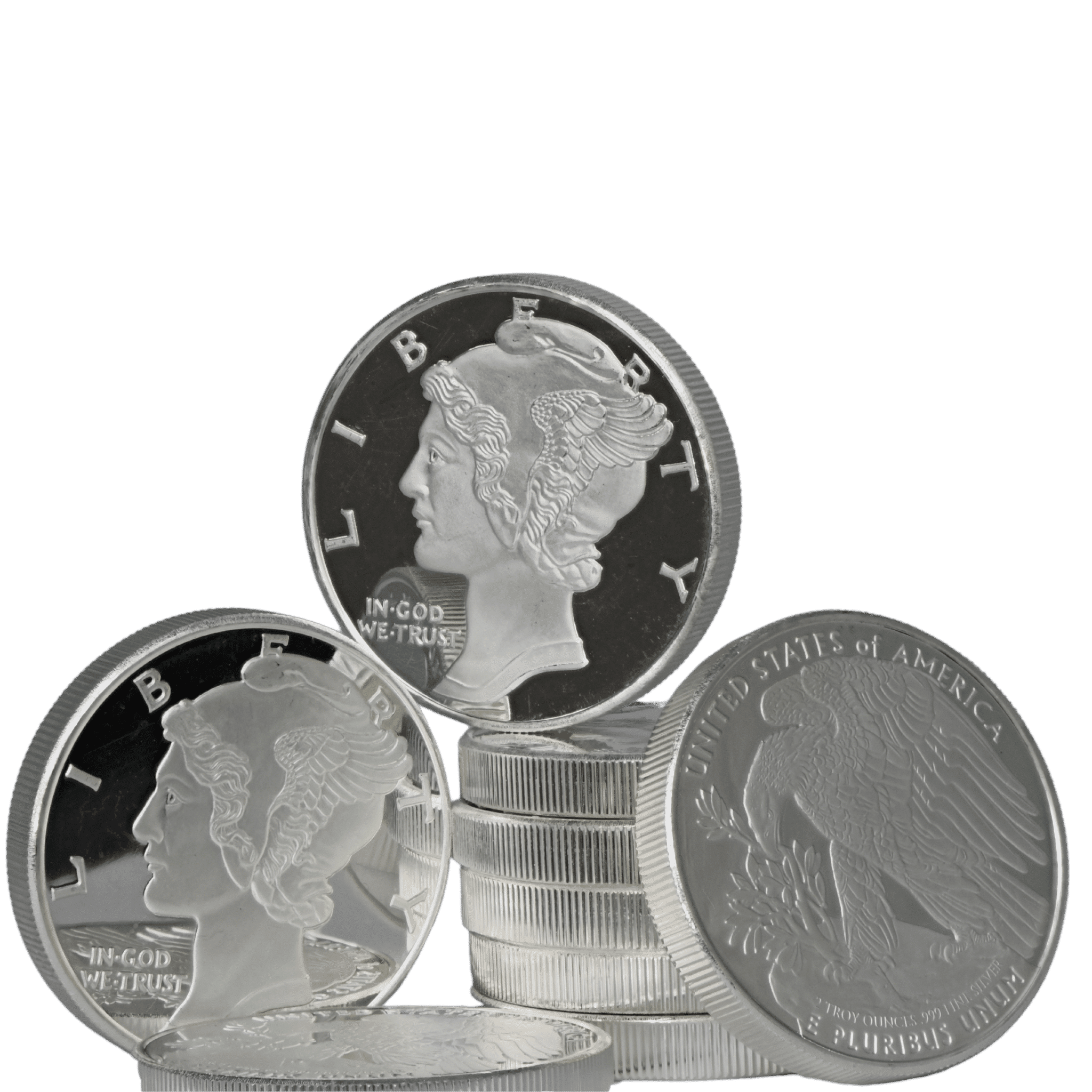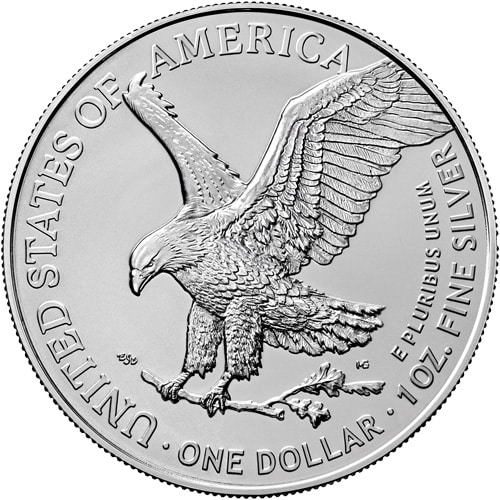
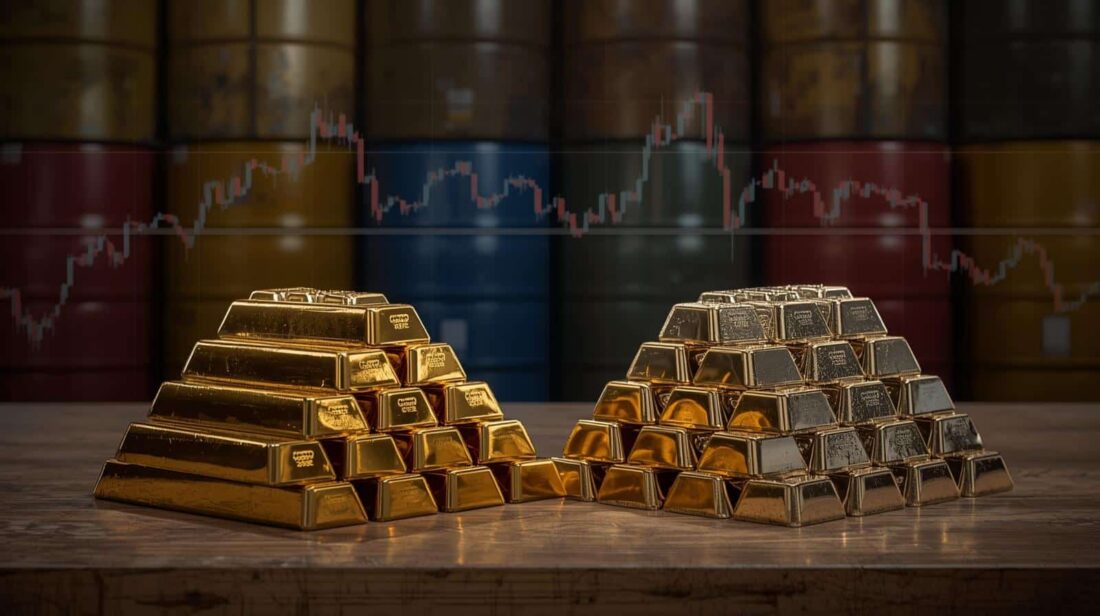
Growth is cooling. Inflation remains stubborn in key sectors. Geopolitical tensions are simmering again. And through it all, gold is holding above $5,000. When economic signals begin to conflict and policy direction becomes less certain, disciplined investors pay attention — and they look to tangible assets that have endured every cycle in modern history.
Weekly Market Recap
Monday (2.16.26)
U.S. markets were closed for Presidents Day, giving investors a brief pause before a volatile stretch of trading.
Tuesday (2.17.26)
Gold and silver faced sharp selling pressure as the U.S. dollar strengthened and diplomatic developments between the U.S. and Iran temporarily cooled safe-haven demand. April gold fell $141 to $4,904, while March silver dropped more than $4 to $73.66. A firmer dollar and softer crude oil added to the headwinds.
Wednesday (2.18.26)
Metals rebounded decisively. April gold rose $116 to $5,022, and silver climbed to $77.81 as traders repositioned ahead of the FOMC minutes. While the Fed held rates steady in January, internal commentary reflected differing views about how long policy should remain restrictive.
Thursday (2.19.26)
Gold traded near $5,018 and silver near $78 as markets weighed geopolitical developments against hawkish language in the Fed minutes. Energy prices remained firm amid renewed Middle East concerns, reinforcing gold’s traditional role as a portfolio stabilizer during uncertain global moments.
Friday (2.20.26)
Safe-haven interest returned as geopolitical rhetoric intensified and rate-cut expectations were tempered. Gold traded above $5,060 intraday, demonstrating resilience as investors recalibrated expectations around inflation and global risk.
Gold Surges Above $5,060 as U.S. Business Activity Slows
The Big Picture
Weaker-than-expected U.S. flash PMI data signaled the slowest business expansion in ten months, helping push gold to fresh highs above $5,060 per ounce.
Driving the News
S&P Global’s February flash Composite PMI declined to 52.3 from 53.0 in January. Softer demand across manufacturing and services, slowing job growth, and rising input costs painted a picture of moderating economic momentum.
By the Numbers
- 52.3 — February flash Composite PMI
• 52.3 — Services PMI
• 51.2 — Manufacturing PMI
• $5,060.25 — Spot gold after release (up 1.28%)
• 1.5% — Implied Q1 annualized GDP growth
Why It Matters
Cooling growth paired with persistent input costs complicates the Federal Reserve’s policy path. Historically, gold performs constructively in environments where growth moderates while inflation pressures remain present.
What to Watch
- Whether upcoming data confirms broader slowdown
• Inflation tied to tariffs and wages
• March Fed projections
• Gold’s ability to hold the $5,000 level
The Bottom Line
Slower growth and steady inflation pressures reinforce the long-term strategic role of physical gold as a portfolio diversifier.
Rising Middle East Tensions and Oil Market Implications
The Big Picture
Heightened geopolitical risk has placed renewed focus on global oil supply stability and energy pricing.
Driving the News
Oil climbed more than 5% this week as markets assessed potential military escalation involving Iran. The Strait of Hormuz remains one of the most critical chokepoints in global energy trade.
By the Numbers
- 14+ million barrels per day — Flowing through Hormuz
• ~33% — Share of global seaborne oil exports
• 75% — Portion headed to major Asian economies
• $100+ per barrel — Possible in prolonged disruption
Why It Matters
Energy volatility often coincides with elevated precious metals demand. Gold’s long-standing role as a financial hedge tends to reassert itself when geopolitical uncertainty rises.
What to Watch
- Scope of potential escalation
• Shipping and insurance disruptions
• Sustained energy price movements
The Bottom Line
Markets are pricing moderate risk, but prolonged disruption could amplify volatility — a reminder of why tangible assets deserve a place in balanced portfolios.
FOMC Minutes Reveal a Divided Federal Reserve
The Big Picture
January FOMC minutes reflect confidence in labor stability but uncertainty around inflation’s trajectory — and growing internal debate.
Driving the News
Most officials favored holding rates steady, though two dissented in favor of a quarter-point cut. Policymakers described risks as “two-sided,” acknowledging both inflation persistence and slowing growth.
By the Numbers
- 2% — Fed’s long-run inflation target
• 0.25% — Cut supported by dissenters
• $4,976.42 — Spot gold following minutes
Why It Matters
A divided Fed can heighten volatility as markets react to every data point. Gold often responds positively when monetary direction lacks clarity.
What to Watch
- March Summary of Economic Projections
• Inflation progress into mid-year
• Credit market stress signals
The Bottom Line
Policy uncertainty remains elevated. In such cycles, physical precious metals offer structural stability.
U.S. Trade Deficit Remains Elevated
The Big Picture
The U.S. trade deficit totaled $901.5 billion in 2025, largely unchanged from the prior year.
Driving the News
December’s deficit widened sharply to $70.3 billion as import activity accelerated amid shifting tariff dynamics.
By the Numbers
- $901.5 billion — Total 2025 trade deficit
• $70.3 billion — December deficit
• $3.43 trillion — Total exports
• $4.33 trillion — Total imports
Why It Matters
Trade imbalances influence long-term currency strength. Dollar dynamics directly affect gold pricing and purchasing power preservation.
What to Watch
- 2026 trade negotiations
• Import trends post-front-loading
• Dollar strength and competitiveness
The Bottom Line
Structural trade forces continue shaping currency markets — reinforcing the case for diversified wealth strategies that include tangible assets.
Next Week’s Key Economic Events (Feb 23–27, 2026)
Monday
• 8:00 am — Fed Governor Christopher Waller Speaks
Tuesday
• 8:00 am — Austan Goolsbee Speaks
• 9:00 am — Case-Shiller Home Price Index
• 9:30 am — Fed Governor Lisa Cook Speaks
• 10:00 am — Consumer Confidence
Wednesday
• 9:35 am — Richmond Fed President Tom Barkin
Thursday
• 8:30 am — Initial Jobless Claims
Friday
• 8:30 am — Producer Price Index
• 10:00 am — Construction Spending
Impact on Precious Metals Markets
Fed Speeches
• Hawkish tone → Short-term pressure on gold
• Dovish tone → Supports easing narrative
Housing & Confidence Data
• Strong readings → Reinforce dollar strength
• Weak readings → Increase diversification appeal
Producer Price Index (PPI)
• Elevated inflation → May complicate rate-cut expectations
• Cooling PPI → Supports softer monetary outlook
When monetary signals conflict and global risk remains fluid, gold and silver continue serving as durable portfolio anchors.
A Steady Approach to Wealth Preservation
Economic cycles shift. Policy debates evolve. Global developments can change quickly. Through each phase, physical gold and silver remain tangible assets — outside digital systems, outside counterparty exposure, and backed by centuries of monetary history.
At Brighton Enterprises, we believe precious metals are not about speculation — they are about disciplined stewardship, thoughtful diversification, and long-term wealth preservation.
If you would like to continue learning about how physical gold and silver can strengthen your strategy, visit:
Explore our educational resources, U.S. Minted coin offerings, and secure storage solutions designed to help you protect what matters most.
We are not financial advisors. This content is for informational purposes only and should not be construed as financial advice. Please consult with a licensed professional for personalized guidance. This publication adheres to all SEC laws, rules, and guidelines.