
A Week of Record-Setting Moves in Gold and Silver
This past week, precious metals marched to fresh highs even as stocks celebrated tech and AI optimism. Beneath the surface, weak jobs data, plunging oil, and now a full‑blown U.S. government shutdown rattled confidence. With key economic releases delayed, markets are left guessing what the Federal Reserve will do next.
- Monday (9/29/25): Gold rocketed $47 to $3,855.80, a new all‑time high. Silver jumped to $47.09, its strongest level in 14 years. Safe‑haven buying surged as the shutdown loomed and the U.S. dollar weakened.
- Tuesday (9/30/25): Gold inched higher to $3,867.40, but silver saw profit‑taking, dipping to $46.53. Weak consumer confidence and mixed job data left investors uneasy.
- Wednesday (10/1/25): Gold hit $3,894.40 and silver soared to $47.585 — both records. The government officially shut down, ADP jobs data disappointed, and dovish Fed expectations lit a fire under metals.
- Thursday (10/2/25): Profit‑taking hit hard. Gold slid to $3,850.00, silver to $46.015, as a stronger dollar and weak crude weighed. Technical “key reversals” formed on charts, hinting at a possible top. Meanwhile, the shutdown deepened, funds froze, and layoffs were threatened.
- Friday (10/3/25): Metals rebounded: gold up to $3,886.00 and silver back near Thursday’s highs at $47.445. Safe‑haven demand remained strong as the standoff dragged on.
Takeaway: This wasn’t a speculative pop. It was a genuine fear trade into real assets. Each new headline out of Washington and the Fed added weight to the case for tangible wealth.
The Debasement Trade Comes to the Mainstream
What used to be whispered in alternative circles is now being broadcast by Wall Street giants: the “debasement trade” is on. JPMorgan, one of the world’s most influential financial institutions, has finally confirmed what others warned long ago — investors are pouring into hard assets like gold and silver because they know fiat currencies are losing value fast.
Why now? Because deficits are exploding, geopolitical tensions are rising, and central banks have proven they will sacrifice purchasing power to keep fragile economies afloat. Since 2022, central banks have added over 1,000 tonnes of gold to their reserves — their largest collective gold accumulation in decades.
Retail investors are finally catching on. In September alone, the SPDR Gold Shares ETF saw record inflows, including a staggering 18.9 tonnes in just one day. That kind of panic buying signals a broader awakening. But keep in mind: ETFs are paper proxies. They might track gold, but they do not provide physical ownership — nor do they protect you in times of true crisis.
History shows that when confidence in government and fiat weakens, capital rushes into what’s real. And the longer institutions wait to admit the problem, the more violent the correction becomes.
Inflation “Going the Wrong Way” — The Fed’s Stagflation Nightmare
The Federal Reserve is facing a slow-burning credibility crisis. Chicago Fed President Austan Goolsbee recently admitted that inflation is “going the wrong way” — reversing course after what policymakers hoped was a downtrend. This is more than a miscalculation. It’s the opening act of a larger policy failure.
The U.S. economy is now flirting with stagflation — rising prices coupled with economic stagnation. In this environment, the Fed’s toolbox becomes nearly useless. Raise rates, and you choke growth. Cut them, and you stoke more inflation. It’s a lose‑lose scenario with no safe exit.
Structural issues are compounding the problem: tariffs on imports are raising input costs, services inflation is outpacing goods, and fiscal discipline has all but vanished. These aren’t flukes — they are signs of an economy under stress from decades of unsustainable monetary expansion.
The longer the Fed tries to walk both sides of the fence, the more volatility we’ll see — not just in policy, but in the markets that depend on it.
$100 Silver: Fantasy or Future?
Silver’s potential to reach $100 per ounce has moved from outlandish to plausible. In fact, if you consider historical trends, industrial use, and systemic financial risk, it may even be conservative.
Twice in modern history — in 1980 and again in 2011 — silver spiked near $50 in short order. Both moves were driven by a combination of inflation fears and financial instability. Today, the setup is even more compelling. Industrial demand is soaring, thanks to silver’s role in solar panels, electric vehicles, and next-gen electronics. Meanwhile, supply from mining remains constrained, and global inventories are thinning fast.
The gold-to-silver ratio — a critical indicator of relative value — currently sits around 80:1, compared to a historical average closer to 15:1. If that ratio simply reverts while gold continues climbing, triple-digit silver is not a stretch. It’s math.
All it takes is a spark — a geopolitical shock, a shortage in physical delivery, or a major institutional buy. When silver runs, it runs fast. Most investors will only notice once the price is already beyond their reach.
Powell Warns Stocks Are “Fairly Highly Valued”
Fed Chair Jerome Powell recently issued a subtle but telling warning: “equity prices are fairly highly valued.” That’s a carefully chosen phrase from a central banker who usually avoids sharp language — and it’s one investors shouldn’t ignore.
Markets have been inflated by over a decade of ultra-loose monetary policy. As a result, valuations have detached from economic fundamentals. Stocks have soared on expectation, not earnings. Now, with rates climbing and inflation proving stubborn, the Fed is stuck trying to unwind the excesses without triggering a collapse.
Powell’s warning, paired with a recent rate cut, reveals the dilemma: pump liquidity to support the markets, or restrain policy to control inflation. Either choice risks destabilizing the delicate balance markets have come to rely on.
This isn’t a matter of if valuations will correct — it’s when. And when risk assets begin to deflate, capital will need a new home.
Next Week’s Key Events to Watch
Several critical events on the calendar this week could shift the winds for gold and silver markets. Here’s what Brighton clients should be paying close attention to:
- Monday, October 6
• None scheduled - Tuesday, October 7
• Consumer Credit (August) — If credit usage rises, it suggests consumer optimism and could be a short-term headwind for metals. But if credit drops, it points to caution and economic stress — bullish for safe havens like gold and silver. - Wednesday, October 8
• Federal Reserve’s September FOMC Meeting Minutes — Markets will dissect the tone. A hawkish stance may pressure metals. A dovish tone or internal disagreement could signal policy pivot — a strong tailwind for precious metals. - Thursday, October 9
• Initial Jobless Claims (week ending Oct. 4) — Rising claims indicate labor market weakness, which typically supports metals. Falling claims would imply economic resilience — less bullish short term. - Friday, October 10
• Chicago Fed President Austan Goolsbee Remarks — Any warnings about stagflation or policy limits will support gold.
• Consumer Sentiment (Preliminary, October) — A drop in sentiment shows public fear and waning faith in fiat — bullish. Strong sentiment may bring a short-term pause to metal rallies.
Impact on Precious Metals Markets
These events are more than just economic noise. They are real-time indicators of systemic stress — and gold and silver respond accordingly.
- Falling Consumer Credit
Suggests cautious consumers and shrinking confidence in the economy. A classic bullish setup for gold and silver. - Dovish FOMC Tone
Signals that the Fed is cornered — unable to hike further or respond aggressively. Precious metals thrive under this uncertainty. - Rising Jobless Claims
Point to labor market fragility. As unemployment rises, expectations for easy money return — fueling demand for tangible wealth. - Stagflation Signals from Goolsbee
Echo fears that inflation and unemployment will rise together. Historically, gold performs best in these chaotic conditions. - Declining Consumer Sentiment
Reflects broad unease and weakening trust in the future. When sentiment collapses, people rush toward assets they can hold.
Brighton’s Final Word
This is not a time for complacency. Political dysfunction, inflationary pressures, and central bank confusion aren’t abstract risks; they’re active events playing out now. Gold and silver are no longer optional hedges — they’re the backbone of any serious wealth protection plan.
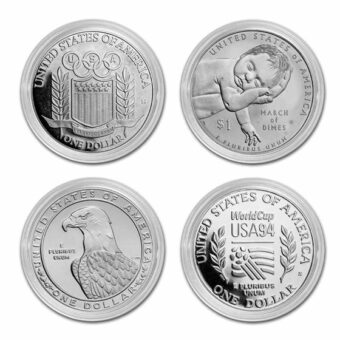
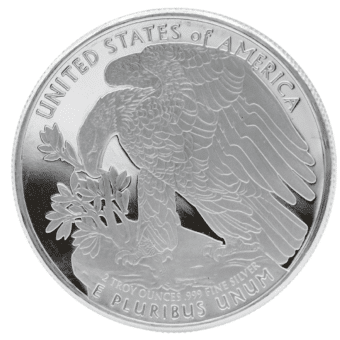
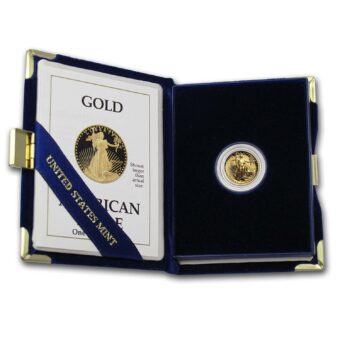
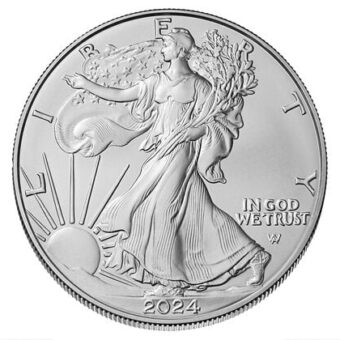
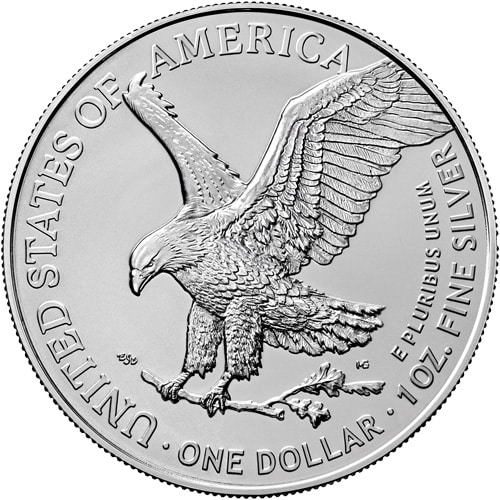
At Brighton Enterprises, we’ve built our reputation on transparency, patriotism, and real delivery of real assets. We specialize in U.S. Minted coins like the Gold and Silver American Eagles — coins with intrinsic, historical, and legal‑tender value that foreign mints simply can’t match.
If you’ve been waiting for a sign to act, this is it.
Call to Action
Protect your wealth before the headlines turn to panic. Discover how Brighton Enterprises can help you secure your future with physical gold and silver — safely stored, transparently priced, and steeped in American value.
Visit brightongold.com or call 844‑459‑0042 to learn more and get started today.
By Nathaniel Cross, Precious Metals Columnist, Brighton Enterprises
We are not financial advisors. This content is for informational purposes only and should not be construed as financial advice. Please consult with a licensed professional for personalized guidance. This publication adheres to all SEC laws, rules, and guidelines.